Are you constantly searching for a career that truly makes an impact, one that isn’t just a job but a calling to build a better world? I know that feeling!
It’s what drives so many of us, especially with the urgent global challenges we face today. Sustainable development isn’t just a buzzword anymore; it’s a rapidly expanding field with incredible opportunities for those passionate about environmental protection, social equity, and economic viability.
If you’ve been wondering how to navigate this dynamic landscape and craft a meaningful career, you’re in the right place. We’ll explore exactly what it takes to thrive as a sustainable development expert.
Let’s get into the specifics and uncover what it truly takes to thrive in this essential field.
What a journey it’s been, watching the world wake up to the urgent need for sustainable practices! I remember just a few years ago, sustainable development felt like a niche interest, something discussed in academic circles or by a handful of passionate activists.
Now, it’s undeniable that it’s woven into the fabric of every industry, transforming job markets and creating incredible opportunities for those of us ready to make a real difference.
If you’re anything like me, you’ve probably felt that pull, that desire to contribute to something bigger than yourself, something that genuinely builds a better, more resilient world.
That’s exactly why I’m so excited to dive into what it truly takes to carve out a thriving career as a sustainable development expert today. It’s not just about a job; it’s about finding your purpose and making an impact that resonates for generations.
So, let’s pull back the curtain and get into the nitty-gritty of navigating this dynamic, ever-evolving landscape.
Defining Your Path in the Green Economy

Navigating the green economy can feel a bit like exploring a vast, uncharted forest at first. There are so many exciting trails to take, from corporate sustainability to renewable energy, and it’s easy to get a little lost in the sheer volume of possibilities.
But trust me, finding your specific passion within this expansive field is the first crucial step to building a truly fulfilling career. I’ve seen countless individuals try to jump into “sustainability” without a clear direction, and they often end up feeling overwhelmed or misaligned.
What truly ignites your spark? Is it delving into the complexities of climate policy, getting your hands dirty with sustainable agriculture, or innovating green technologies?
For me, it was always about communication – translating complex environmental science into accessible, actionable insights for everyday people. This self-discovery isn’t a one-time event; it’s an ongoing process of learning, experimenting, and refining what makes you tick.
The sustainable development landscape isn’t just growing; it’s segmenting into specialized areas like climate action, ESG reporting, and the circular economy, meaning there’s a real need for focused expertise.
Understanding where you fit best will not only make your job search more targeted but also ensure you wake up excited to tackle the day’s challenges.
Emerging Hotspots in Sustainable Careers
It’s like the job market is having a massive glow-up, with certain sectors shining brighter than ever before. We’re seeing huge growth in areas that were barely whispers a decade ago.
For instance, the circular economy is booming, moving us away from that old “take, make, dispose” model to one where waste is eliminated, resources are circulated, and nature is regenerated.
I’ve personally been fascinated by the sheer ingenuity in circular economy roles, from product lifecycle managers to sustainable design specialists, all focused on making things last and keeping materials in play.
Then there’s ESG (Environmental, Social, and Governance) – talk about a game-changer! Companies are finally realizing that robust ESG practices aren’t just good for their conscience, they’re essential for long-term viability and investor appeal.
This has created a massive demand for ESG analysts who can dive deep into data, assess risks, and help companies truly walk the talk. And let’s not forget renewable energy; wind technicians and solar installers are already among the fastest-growing jobs, and with global investments in green bonds projected to exceed $1 trillion by 2025, that growth isn’t slowing down anytime soon.
It’s genuinely inspiring to see these once-niche fields becoming mainstream career powerhouses.
The Interconnectedness of Impact
One of the most profound lessons I’ve learned in this field is how everything is interconnected. You might think you’re just focused on, say, waste management, but your work invariably touches on community health, economic development, and even policy-making.
It’s like a finely tuned ecosystem where every part plays a vital role. When I first started, I was so focused on the environmental aspect, but quickly realized that social equity and economic viability are just as crucial to true sustainable development.
For example, a project aimed at reducing plastic waste might involve working with local communities to set up recycling programs (social impact), finding innovative businesses to reuse materials (economic impact), and influencing local regulations (policy).
This holistic view is what truly defines a sustainable development expert. You’re not just solving one problem; you’re contributing to a systemic shift, understanding how your actions ripple out to create a more resilient and equitable world.
It’s challenging, no doubt, but that interconnectedness is also what makes the work so incredibly rewarding and keeps you constantly learning.
Building a Robust Skillset for the Future
Okay, so you’ve got your compass pointed in the right direction, but do you have the right tools in your backpack? Just having a passion for the planet, while absolutely essential, isn’t enough these days.
The sustainable development field demands a really diverse and sharp skillset. I’ve observed that the most successful professionals are those who are lifelong learners, constantly picking up new capabilities.
It’s not about being a jack-of-all-trades, but rather having a core set of competencies and then strategically layering on specialized knowledge. Think of it like building a sturdy house: you need a strong foundation of analytical and communication skills, and then you add the specialized rooms like carbon accounting or sustainable finance.
The market is screaming for people who can not only understand the big picture but also dive into the granular details. I mean, who wants to invest in a green project if no one can quantify its impact or navigate the regulations?
That’s where you come in!
Must-Have Technical Proficiencies
Let’s get technical for a moment, because this is where the rubber meets the road. I’ve found that having solid technical skills truly differentiates you in this competitive landscape.
Analytical skills are non-negotiable; you’ll be sifting through data to assess environmental impacts, track sustainability performance, and craft compelling reports.
I remember agonizing over complex spreadsheets in my early days, but that ability to crunch numbers and extract meaningful insights has been invaluable.
Then there’s the whole realm of carbon footprinting and lifecycle assessment. Companies desperately need experts who can measure their greenhouse gas emissions and evaluate the environmental impacts of their products.
Seriously, if you can speak the language of carbon accounting, you’re golden. And with green tech on the rise, skills in renewable energy systems, sustainable supply chain management, and even green IT are becoming incredibly valuable.
These aren’t just buzzwords; they’re practical, hands-on skills that directly contribute to a company’s bottom line and environmental goals.
Cultivating Essential Soft Skills
Beyond the technical jargon, what truly makes a sustainable development expert shine are those indispensable soft skills. I’ve seen brilliant technical minds struggle because they couldn’t effectively communicate their findings or rally a team.
This work is inherently collaborative and often involves navigating complex stakeholder relationships. So, strong communication skills are absolutely paramount; you need to be able to explain intricate environmental issues to everyone from a CEO to a community member, tailoring your message perfectly.
Leadership and project management abilities are also crucial, especially as you move into roles where you’re overseeing complex initiatives that span multiple departments.
And let’s not forget critical thinking and problem-solving. Every day brings a new challenge in sustainability, whether it’s finding innovative ways to reduce waste or developing resilient strategies for climate adaptation.
My personal experience has shown me that empathy, adaptability, and a genuine passion for making a positive impact are the secret sauce. You’ll hit roadblocks, you’ll face skepticism, but those soft skills are what keep you pushing forward and building bridges.
Navigating Educational and Professional Pathways
So, you’re ready to jump in, but you’re probably wondering, “How do I actually *get* there?” It’s a question I’ve answered countless times, and the good news is there isn’t just one golden ticket.
The beauty of sustainable development is its multidisciplinary nature. I’ve met incredible professionals who started in finance, engineering, communications, and even fashion, all pivoting their expertise to this field.
What matters most is aligning your learning journey with your chosen impact area and constantly seeking opportunities to apply that knowledge. Education is a fantastic starting point, whether it’s a formal degree or targeted certifications, but real-world experience and a robust network are just as vital.
It’s a continuous loop of learning, doing, and connecting.
Formal Education and Specializations
If you’re just starting out, or looking for a significant career pivot, formal education can provide an invaluable foundation. Many universities now offer specialized programs in sustainability, environmental science, sustainable business, or climate change.
I always advise people to look for programs that offer a blend of theoretical knowledge and practical application, maybe even with an experiential learning component.
For those aiming for managerial or leadership roles, a Master’s degree in sustainable development or an executive master’s designed for working professionals can provide the advanced knowledge and strategic thinking needed.
But here’s a little secret I’ve learned: you don’t *have* to get a specific “sustainability” degree to enter the field. My own journey involved leveraging a diverse background and then layering on specialized courses and certifications in areas like ESG reporting or circular economy principles.
The key is to find what genuinely interests you and then deepen your expertise there.
The Power of Internships and Certifications
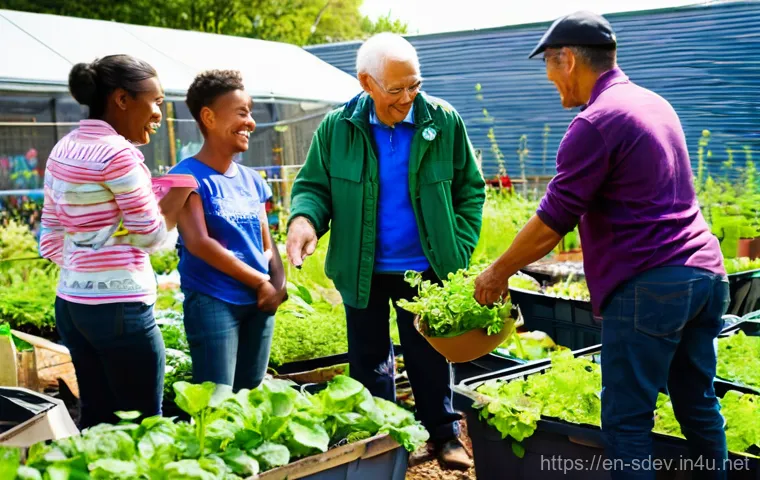
When it comes to actually landing that dream role, hands-on experience often trumps a perfect GPA. This is where internships and certifications become your secret weapons.
I can’t stress enough how crucial internships are, even if they’re unpaid or part-time initially. They offer a taste of real-world challenges, allow you to apply classroom knowledge, and, perhaps most importantly, help you build connections.
I remember one of my first internships at a local environmental non-profit; it wasn’t glamorous, but it taught me invaluable lessons about grassroots engagement and project implementation.
Beyond internships, professional certifications in areas like ESG (Environmental, Social, and Governance) or carbon accounting can significantly boost your marketability.
These certifications demonstrate a specialized skill set and a commitment to continuous learning, telling potential employers that you’re serious and up-to-date with industry standards.
Don’t underestimate the power of these practical pathways; they can often open doors that a degree alone might not.
| Key Areas for Sustainable Development Careers | In-Demand Skills & Expertise | Example Job Titles (2025 Outlook) |
|---|---|---|
| Circular Economy & Waste Management | Systems Thinking, Resource Management, Lifecycle Assessment, Sustainable Design, Waste Reduction Strategies | Circular Economy Specialist, Product Lifecycle Manager, Waste Reduction Coordinator, Sustainable Packaging Designer |
| ESG (Environmental, Social, Governance) Reporting & Strategy | Data Analysis, ESG Framework Knowledge, Risk Assessment, Regulatory Compliance, Stakeholder Engagement | ESG Analyst, Sustainability Manager, Corporate Social Responsibility (CSR) Specialist, Climate Risk Consultant |
| Renewable Energy & Green Technology | Renewable Energy Systems (Solar, Wind, Hydro), Project Management, Energy Efficiency, Green IT, Carbon Accounting | Renewable Energy Engineer, Wind Turbine Technician, Solar Installer, Energy Efficiency Consultant, Climate Tech Software Developer |
| Sustainable Finance & Investment | Financial Analysis, Sustainable Investment Strategies, Green Bond Knowledge, Impact Investing, Risk Management | Sustainable Investment Manager, Green Bond Specialist, ESG Investment Analyst |
| Environmental Consulting & Policy | Environmental Law, Policy Analysis, Environmental Impact Assessment, Public Administration, Research | Environmental Consultant, Environmental Policy Analyst, Climate Change Specialist, Sustainability Officer |
| Sustainable Supply Chain & Operations | Supply Chain Optimization, Sustainable Sourcing, Logistics, Carbon Footprinting, Ethical Practices, Process Improvement | Sustainable Supply Chain Manager, Green Procurement Specialist, Operations Sustainability Analyst |
Making an Impact: Beyond the Job Title
When we talk about a career in sustainable development, it’s about so much more than just a job title on a business card. It’s about the profound impact you can make, the legacy you can help build.
I’ve always believed that this field isn’t just for a select few, but for anyone with the drive and ingenuity to tackle the world’s most pressing problems.
What truly makes this career path rewarding, at least in my experience, is seeing tangible results from your efforts. It’s about transforming abstract ideas into concrete actions that benefit people and the planet.
This means getting comfortable with collaboration, understanding diverse perspectives, and persistently advocating for change, even when it feels like an uphill battle.
From Vision to Tangible Change
There’s a unique satisfaction that comes from seeing a sustainable project through from conception to completion. I vividly recall working on a community-led renewable energy initiative; it started as a conversation in a small town hall, full of skepticism and questions.
But through careful planning, stakeholder engagement, and a lot of late nights, we eventually saw the solar panels go up, generating clean power and reducing energy bills for local residents.
That feeling, watching the community gather as the system was energized, was absolutely electrifying. It’s moments like these that remind you why you’re doing this work.
Whether you’re designing sustainable buildings, implementing corporate responsibility strategies, or developing innovative clean technologies, your efforts translate into real-world benefits: cleaner air, thriving ecosystems, and more equitable communities.
It’s about turning those big, hopeful visions into actual, measurable change that you can point to and say, “We did that.”
The Personal and Professional Rewards
Let’s be honest, everyone wants a career that’s not just financially stable but also personally rewarding. And in sustainable development, you get a double dose of fulfillment.
Beyond the competitive salaries that many green jobs now offer, there’s the intrinsic value of knowing your work contributes to a greater good. I’ve felt a deep sense of purpose, a connection to something larger than myself, that few other careers can provide.
This field also pushes you to grow constantly, both professionally and personally. You’re always learning, adapting to new technologies, evolving policies, and diverse perspectives.
It fosters creativity, resilience, and a profound sense of collaboration. Plus, the network you build with like-minded, passionate individuals from around the globe is truly invaluable.
It’s a career that challenges you, inspires you, and ultimately, allows you to leave a positive mark on the world, and honestly, what could be more rewarding than that?
Concluding Thoughts
What a journey it’s been, exploring the incredible landscape of sustainable development careers! If there’s one thing I hope you take away from our chat, it’s that this isn’t just a trend; it’s a fundamental shift in how we approach business, community, and our planet.
It’s about finding your unique place in a movement that’s not only reshaping industries but also offering deeply fulfilling paths for those passionate about making a genuine impact.
I truly believe that pursuing a career in this field is one of the most rewarding decisions you can make, both for your personal growth and for the collective good.
It challenges you, inspires you, and connects you with a global community of innovators and changemakers. So, go out there, embrace the challenges, and start building the greener, more equitable future we all deserve.
Essential Insights for Your Green Journey
1. Network Relentlessly: Seriously, connections are everything! Attend industry events, join online forums, and don’t be shy about reaching out for informational interviews. You never know where your next opportunity will come from.
2. Master a Niche: While a broad understanding is great, identifying a specific area like ESG reporting, circular economy design, or renewable energy finance will make you incredibly valuable. Dive deep into what truly excites you.
3. Embrace Lifelong Learning: The sustainable development landscape is constantly evolving. Stay updated on new technologies, policies, and best practices. Certifications and short courses can be game-changers for skill refinement.
4. Seek Practical Experience: Internships, volunteer work, or even personal projects can provide invaluable hands-on experience. Employers want to see that you can translate theory into tangible results, so get your hands dirty!
5. Cultivate Your Story: Reflect on *why* you’re passionate about sustainability. Your personal narrative and genuine enthusiasm will resonate far more than a generic resume. Let your authentic desire to make a difference shine through.
Key Takeaways for Aspiring Sustainable Leaders
Embarking on a career in sustainable development is a profoundly impactful choice, offering a unique blend of professional growth and personal fulfillment.
Remember, defining your niche within the vast green economy is crucial for targeted success, whether that’s in ESG, circular economy, or renewable energy.
A robust skillset, encompassing both technical proficiencies like carbon accounting and essential soft skills such as communication and critical thinking, will set you apart.
While formal education provides a strong foundation, don’t underestimate the power of internships, certifications, and real-world experience to open doors.
Ultimately, this path is about much more than a job; it’s about translating vision into tangible change and contributing to a healthier, more equitable world, leaving a lasting legacy for generations to come.
Frequently Asked Questions (FAQ) 📖
Q: So, what does a career in sustainable development actually look like day-to-day, and is it really as impactful as it sounds?
A: Oh, this is such a fantastic question, and one I get all the time! When I first dipped my toes into this world, I imagined grand, sweeping changes happening every single day.
And while yes, the impact is absolutely real and profound, the day-to-day can be incredibly varied and surprisingly hands-on, depending on your niche.
For example, my friend Sarah, who’s in corporate sustainability, spends her days helping big companies reduce their carbon footprint, redesigning supply chains, and even training employees on eco-friendly practices.
It’s a blend of strategic thinking, data analysis, and a whole lot of communication. Then there’s Mark, who works for an NGO focusing on community resilience in coastal areas; he’s often on the ground, collaborating with local residents to implement solar energy solutions or develop water conservation programs.
What I’ve personally found, and what makes this field so exciting, is that you’re constantly problem-solving. You might be crunching numbers one day, drafting policy recommendations the next, and then facilitating a stakeholder meeting after that.
It’s not just about saving the planet in some abstract way; it’s about connecting with people, innovating solutions, and seeing tangible results, whether it’s a new solar panel array powering a remote village or a major corporation shifting to ethically sourced materials.
The impact isn’t always a dramatic movie scene; it’s often a series of smaller, consistent wins that collectively build something truly transformative.
It feels like being part of a global team working towards a better future, and honestly, there’s nothing more rewarding than that.
Q: This field sounds amazing, but how do I even begin to break into sustainable development? It feels like such a broad area!
A: I totally hear you! When I first started looking into this, I felt a bit overwhelmed by the sheer scope of it all. It seemed like everyone had a PhD in environmental science or years of international experience, and I wondered if there was a place for someone like me.
But here’s the beautiful truth: sustainable development needs everyone. Think of it this way: your passion is the starting point, but your existing skills are your secret weapon.
If you’re a whiz with data, consider sustainable finance or impact assessment. A natural storyteller? Environmental education or communications could be your calling.
My personal journey involved leveraging my project management skills from a completely different industry and then intentionally seeking out volunteer opportunities with local environmental groups.
That hands-on experience was invaluable – it showed me the practical challenges and helped me network with people who were already doing the work. You don’t always need a specific “sustainable development” degree to get started, though they are certainly fantastic!
Often, an interdisciplinary approach works best. Look for online courses (there are tons of great ones now!), industry certifications, or even just dive into books and podcasts from leaders in the field.
And don’t underestimate informational interviews! People in this space are generally incredibly generous with their time and advice. Just reach out, share your enthusiasm, and ask for their insights.
It’s all about finding where your unique talents intersect with the world’s most pressing needs.
Q: Is a career in sustainable development truly stable and well-paying, or is it more of a passion project with limited financial returns?
A: Ah, the million-dollar question – literally, for some! I completely understand why you’d ask this, especially when you’re dedicating yourself to something so vital.
For a long time, there was this misconception that working in sustainable development meant sacrificing a comfortable living for your ideals. But let me tell you, times have absolutely changed!
With the urgency of climate change and social equity issues, companies, governments, and NGOs are pouring significant resources into sustainability initiatives.
This isn’t just a trend; it’s a fundamental shift in how the world operates, and it translates into a robust job market with increasingly competitive salaries.
From what I’ve seen, roles in sustainable finance, ESG (Environmental, Social, Governance) consulting, renewable energy, and green technology are particularly booming and can offer excellent compensation.
Even in non-profit sectors, grant funding is growing, allowing for more stable and better-remunerated positions. Of course, like any field, entry-level positions might start a bit lower, but the growth potential is immense.
I personally know folks who started out in community outreach and are now leading global sustainability strategies for major corporations, earning fantastic salaries.
It’s about demonstrating your value, continuously learning, and strategically positioning yourself. So, yes, you absolutely can build a fulfilling and financially rewarding career in sustainable development.
It’s not just a passion project; it’s a legitimate, growing industry that truly needs your talent and dedication.