You know, sometimes I look at the sheer scale of the challenges we’re facing today – climate change, social inequality, even just figuring out how to build truly sustainable communities – and it can feel pretty overwhelming.
It’s easy to think, “What can *one* person, or even *one* organization, really do?” But what I’ve seen, time and again, is that when we drop those silos and truly link arms, magic happens.
From groundbreaking tech partnerships for cleaner energy to local community groups making a real difference, the power of collaboration in sustainable development practice is absolutely undeniable, creating solutions that no one could achieve alone.
It’s more than just working together; it’s about blending diverse perspectives and resources to spark innovation and build a future that actually works for everyone.
In fact, recent trends show an exciting acceleration in cross-sector initiatives, leveraging everything from data sharing to cutting-edge science to tackle these issues head-on.
Ready to dive into how we can make these partnerships truly shine and drive impactful change? Let’s get right into it.
Forging Real Connections: The Heart of Impactful Partnerships
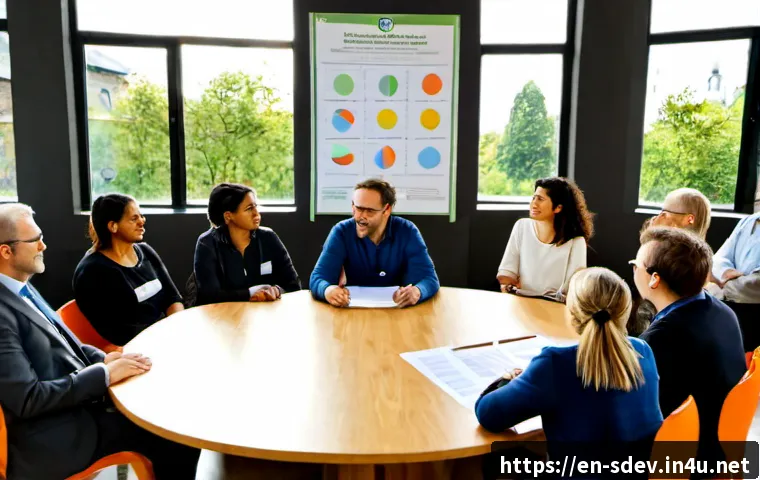
You know, when I first started digging into sustainable development, I thought it was all about grand plans and big budgets. And while those certainly help, what truly creates lasting change is something far more fundamental: genuine connection. It’s about getting people from different walks of life – businesses, NGOs, local communities, even government agencies – to actually sit down, listen to each other, and build trust. Without that human element, even the most brilliant initiatives can falter. I’ve seen it firsthand, where a lack of understanding or a hint of suspicion can just derail everything, no matter how good the intentions are. It takes time, patience, and a willingness to be vulnerable, but it’s absolutely non-negotiable. We’re talking about everything from co-designing projects with local residents to ensuring transparent communication throughout every stage. It’s a dynamic process, full of exciting moments but also requiring resilience and adaptability when things get tough. When trust is established, organizations can work together effectively, adapt to challenges, and sustain their collaborative efforts over time. This foundational trust isn’t just a nice-to-have; it’s the bedrock upon which all successful sustainability efforts are built, helping overcome the fragmentation of data and siloed approaches that often plague complex challenges.
Building Bridges, Not Walls: Strategies for Trust
So, how do we actually *do* this? It’s not always easy, especially when you’re bringing together groups with vastly different priorities or perspectives. What I’ve found incredibly effective is starting with small, achievable wins. When partners see tangible results from their combined efforts, it builds confidence and reinforces the value of the collaboration. Another huge factor is transparent communication. Seriously, over-communicate everything! Share data, be honest about challenges, and celebrate successes together. It fosters a sense of shared ownership and accountability. Empowering marginalized voices and integrating diverse forms of knowledge into decision-making processes is also crucial to address power imbalances and foster mutual learning and respect.
Shared Vision, Shared Victory: Aligning Goals
It’s like building a house – everyone needs to agree on the blueprint. In sustainable development partnerships, that means creating a shared vision for what success looks like. This isn’t about one entity dictating terms, but a collaborative process where all stakeholders contribute to defining common goals. When Google and Unilever teamed up for sustainable agriculture, they focused on using geospatial analytics to improve the sustainability of Unilever’s supply chain, particularly for palm oil. Their shared goal of supply chain transparency and sustainable sourcing was key to their impact. Similarly, Microsoft’s AI for Earth program with The Nature Conservancy focused on climate modeling and biodiversity conservation, showcasing how technology can protect the planet when goals are aligned. This shared vision also extends to defining shared values like environmental stewardship and social equity.
Navigating the Labyrinth: Overcoming Collaborative Hurdles
Let’s be real, working with multiple organizations can feel like navigating a maze blindfolded sometimes. I’ve been in meetings where everyone is talking, but no one is truly listening, or where organizational “turf” becomes more important than the actual mission. It’s frustrating, right? But these challenges – things like different institutional cultures, varying timelines, or even just bureaucratic red tape – are often unavoidable. The trick isn’t to pretend they don’t exist, but to acknowledge them upfront and build strategies to get around them. For example, some partnerships struggle because funding isn’t consistent, or because there are significant power differentials, particularly when community organizations are involved. It’s crucial to establish clear roles and responsibilities from the get-go and to have flexible, iterative decision-making processes that can adapt to changing circumstances. Think of it as a journey with bumps in the road – you just need a good roadmap and a reliable team to help you navigate.
Bridging Cultural Divides and Institutional Logics
Every organization has its own way of doing things, its own “language,” if you will. A tech company, a government agency, and a local community group will all approach problems differently. This diversity is actually a huge strength, but it can also be a source of friction. I’ve learned that you need “boundary spanners” – individuals who can understand and translate between these different worlds. They’re the unsung heroes who manage complexity and facilitate information transfer to drive innovation. Building a common language and understanding is essential for top-down and bottom-up support in planning and execution. It’s about being flexible and willing to adapt, recognizing that no single approach fits all.
Securing the Fuel: Sustainable Financing
A great idea with no funding is just a dream, unfortunately. Sustainable development projects, especially collaborative ones, often need long-term and diverse funding streams. This means looking beyond traditional grants to blended finance, public-private partnerships, and even impact investing. The Sustainable Development Goals (SDGs) alone face a multi-trillion-dollar financing gap annually, highlighting the immense need for innovative funding. For instance, the Green Climate Fund aims to increase access to climate finance, especially for developing countries, by offering quicker, simpler processes and various funding windows. We need to facilitate access to public funding, which can often be very bureaucratic, and mobilize private sector investment, aligning capital flows with SDG targets. It’s about demonstrating a clear return on investment, not just financially, but in terms of social and environmental impact.
Proving Our Worth: Measuring Impact Beyond the Numbers
Okay, so we’re collaborating, we’re navigating challenges, but how do we *really* know if we’re making a difference? This is where impact measurement comes in, and it’s something I’m incredibly passionate about. It’s not just about ticking boxes or hitting arbitrary targets. It’s about understanding the real-world change we’re creating, especially in areas like community well-being, strengthened relationships, and systemic shifts. Traditional metrics, while useful for things like carbon footprint reduction or resource efficiency, often miss the broader social and ethical dimensions of sustainability. We need to go beyond simply counting trees planted or dollars spent and delve into the qualitative aspects – the stories, the improved lives, the new innovations sparked by collaboration. It’s a complex task, but absolutely essential for maintaining trust and demonstrating true value to all stakeholders.
Tools and Tales: Blending Data for Deeper Insights
To truly capture impact, we need a mix of approaches. Quantitative data (like the number of beneficiaries or emissions reduced) gives us a baseline, but qualitative data (like testimonials, community feedback, or case studies) paints a richer picture. For instance, UNICEF’s partnership with Chery Group on education has already reached nearly 40 million children and adolescents, with a renewed commitment of $6 million. Numbers like these are powerful, but hearing directly from those children about how their lives have changed would be even more impactful. Developing common data platforms and information-sharing mechanisms can significantly enhance understanding and coordination across sectors, fostering evidence-based decision-making. It’s also vital to integrate frameworks like the SDG Impact Standards, which help organizations align their ESG activities with global sustainability goals.
Accountability and Adaptation: Learning from Every Step
Measuring impact isn’t a one-time event; it’s an ongoing process. We need to be constantly monitoring progress, assessing what’s working and what isn’t, and being brave enough to adjust our strategies. This adaptive management is crucial in complex systems like sustainable development. Brambles, for example, aims to activate sustainability collaborations with 1,000 partners across its supply network by 2030, leveraging continuous monitoring and learning to achieve its goals. Transparency in reporting both successes and failures is key – it builds trust and shows a commitment to genuine learning, not just good PR. My experience has shown me that when you’re open about challenges, people are more willing to lean in and help find solutions.
The Unseen Architects: Policy and Enabling Environments
Sometimes, the biggest drivers of collaboration aren’t the partners themselves, but the overarching environment they operate within. Think about it: strong policy frameworks and supportive regulations can act like invisible architects, shaping how easily organizations can work together. If governments incentivize collaboration, for example, or create platforms for data sharing, it makes a huge difference. Conversely, restrictive policies can stifle even the most enthusiastic partnerships. We’ve seen how dedicated intermediary organizations, acting as brokers between sectors, can play a crucial role in overcoming barriers to collaboration. It’s about creating a fertile ground where these partnerships can not only grow but truly flourish and make a systemic impact.
Government’s Guiding Hand: Incentives and Frameworks
Governments play a vital role in setting the stage for successful collaborations. Enabling policies and regulations that incentivize working together are essential. For instance, some policy frameworks create a level playing field for all sectors, encouraging businesses, civil society, and public bodies to engage. The EU budget, for example, foresees reinforcing external action with a Global Europe Instrument to maximize impact through strategic partnerships. Carbon pricing, as another example, shifts the social costs of climate change to polluters, encouraging them to reduce emissions and invest in clean energy. This kind of top-down support, when coupled with grassroots efforts, can create powerful momentum. We need to ensure that policy fast-lanes and regulatory sandboxes are in place to accelerate proven solutions.
Data for Good: Shared Knowledge Systems
Imagine if all the incredible data and insights from various organizations were easily accessible and shareable – what a game-changer that would be! Developing common data platforms and robust information-sharing mechanisms can significantly enhance cross-sectoral understanding and coordination. This means creating centralized databases, open-source platforms, or interoperable data systems that allow different sectors to share environmental conditions, social indicators, and economic trends. When everyone has access to the same reliable information, it facilitates evidence-based decision-making and more coordinated action. It allows us to move beyond fragmented efforts to truly holistic solutions. For example, the ASEAN Power Grid Financing Initiative establishes a regional platform for sharing data on renewable energy potential and investment opportunities, strengthening regional cooperation.
Amplifying Our Reach: Scaling for Global Change
When a partnership finds a solution that genuinely works, the next natural step is to figure out how to share that success far and wide. This is where scaling comes into play – taking a successful model and replicating it, adapting it, and expanding its reach to create an even bigger ripple effect. It’s about moving from local victories to national, or even global, transformation. I often think about how many incredible pilot projects exist that never quite make it past that initial stage. The challenge is often in overcoming the “replication fallacy” – the idea that a solution that works in one context will automatically work everywhere else. It requires careful planning, a deep understanding of new contexts, and continued collaboration. This isn’t just about making things bigger; it’s about making them *smarter* and more widely accessible. We need to focus on what enables exponential scale, not just incremental growth.
From Pilot to Planet: Replicating Success
Scaling isn’t just throwing more money at a problem; it’s about carefully dissecting *why* something worked in the first place, identifying its core components, and then thoughtfully applying those lessons to new environments. A key success factor in some initiatives is the formation of pre-competitive alliances where leading companies join forces to pursue compliance collectively rather than competitively. For example, Vietnam’s sustainable coffee sector is scaling efforts to the entire Central Highlands after successful pilots in deforestation-free practices. It means continuously engaging with local communities and stakeholders to ensure the adapted model is relevant and effective for their unique needs. Replication means building blueprints for success that can be shared and adopted across different regions and issues.
Beyond Borders: The Global Impact Network
The beauty of sustainable development is that its challenges, like climate change or social inequality, are global. This means our solutions should be too. Scaling successful collaborations often involves building international networks and alliances. The Global Alliance for Banking on Values (GABV), for instance, is an alliance of values-driven banks using finance to achieve sustainable development globally. We need more global coalitions that connect proven solutions with trusted local implementing partners. The UNDP, for example, emphasizes trusted partnerships as central to its mission, aiming to mobilize resources for the 2030 Agenda through a revitalized Global Partnership for Sustainable Development. These networks foster a collective responsibility, demonstrating that we’re all in this together, striving for a shared, sustainable future.
Innovation Through Interconnection: Sparking New Solutions

When diverse minds and resources come together, something truly exciting happens: innovation. It’s not just about solving existing problems, but about creating entirely new ways of thinking and acting that we couldn’t have envisioned alone. This is particularly true in sustainable development, where the challenges are so complex and interconnected that no single sector or discipline holds all the answers. I’ve personally witnessed how a simple conversation between someone from a tech startup and a seasoned environmental activist can spark an idea that transforms an entire project. These cross-sector partnerships are proving to be game-changers, leveraging innovation, resources, and expertise to advance the UN Sustainable Development Goals (SDGs). It’s more than just pooling resources; it’s about blending perspectives to ignite that creative spark that leads to truly groundbreaking solutions. This kind of collaboration is crucial for making progress on the SDGs, which are currently not on track for many targets.
Tech for Good: Catalyzing Change with Innovation
Technology plays an undeniable role in accelerating sustainable development. Partnerships that integrate cutting-edge tech, from AI to geospatial analytics, are making incredible strides. Think about how Microsoft’s AI for Earth provides cloud and AI tools to organizations working on environmental sustainability, aiding in climate change modeling and biodiversity conservation. Or how Google and Unilever use data and technology to promote sustainable agriculture. These innovations help us understand impacts more accurately, develop sophisticated models, and implement more sustainable practices. But it’s not just about the tech itself; it’s about *how* we apply it collaboratively to solve real-world problems. The focus is on aligning innovation with responsibility, short-term goals with long-term value, and business growth with social progress.
Synergies in Action: When 1+1 Equals More Than 2
The magic of collaboration lies in the synergy it creates. Each partner brings unique assets, capabilities, and networks to the table, and when these are combined strategically, the outcome is far greater than the sum of its parts. For example, public-private partnerships can transform time-bound development investments into long-term, market-driven, scalable initiatives. This could involve a government providing policy support, a business offering technical expertise and resources, and a community organization ensuring local relevance and engagement. It’s about recognizing that everyone has a piece of the puzzle, and only by putting those pieces together can we see the full picture and build comprehensive, resilient solutions. The global movement towards a sustainable world truly needs every sector working together and applying technological innovation to achieve far-reaching impact.
Ensuring Longevity: Sustaining Momentum and Commitment
Okay, so we’ve got the collaboration humming, the impact is being measured, and innovation is flowing. But how do we keep that energy going for the long haul? Sustainable development isn’t a sprint; it’s a marathon, and maintaining momentum and commitment over years, even decades, is a monumental task. I’ve seen too many brilliant initiatives fizzle out once initial funding dries up or key individuals move on. It really boils down to embedding sustainability into the very DNA of the partnership, ensuring that it’s institutionalized and has a clear path for long-term financing and governance. This requires continuous engagement, adaptive strategies, and a culture that values shared learning and resilience. It’s about designing partnerships with built-in mechanisms for self-sufficiency and evolution, so they can weather inevitable storms and continue to deliver impact. We’re striving for solutions that are not only impactful today but will endure and evolve for generations to come.
Institutionalizing Collaboration: Building for the Future
For partnerships to truly last, they need a solid foundation. This means establishing formal governance structures, clear legal forms, and mechanisms that ensure continuity even as people and priorities change. It’s about more than just handshake agreements; it’s about creating an entity that can stand the test of time. This institutionalization often includes a well-defined governance structure, ideally kept as simple as possible, along with securing long-term funding. This foresight ensures that the collaboration isn’t dependent on just a few passionate individuals but becomes a robust, self-sustaining force for good. Corporate-led sustainability alliances, for instance, are designed as multi-stakeholder, business-led coalitions to advance the sustainability of their members and industries for the common good.
Adapt, Evolve, Thrive: Responsive Strategies
The world of sustainable development is constantly changing – new technologies emerge, challenges shift, and priorities evolve. For partnerships to remain relevant and effective, they must be agile and able to adapt. This requires building in mechanisms for continuous learning, regular performance reviews, and strategy adjustments based on feedback and new information. The ability to monitor progress and adjust strategies based on feedback, known as adaptive management, is a key element for maintaining trust and achieving results. It’s about embracing an iterative approach, where lessons learned from both successes and failures feed back into and refine the partnership’s trajectory. This resilience, the ability to work together effectively and adapt to challenges, is what truly sustains collaborative efforts over time.
Everyone Wins: Creating Inclusive and Equitable Solutions
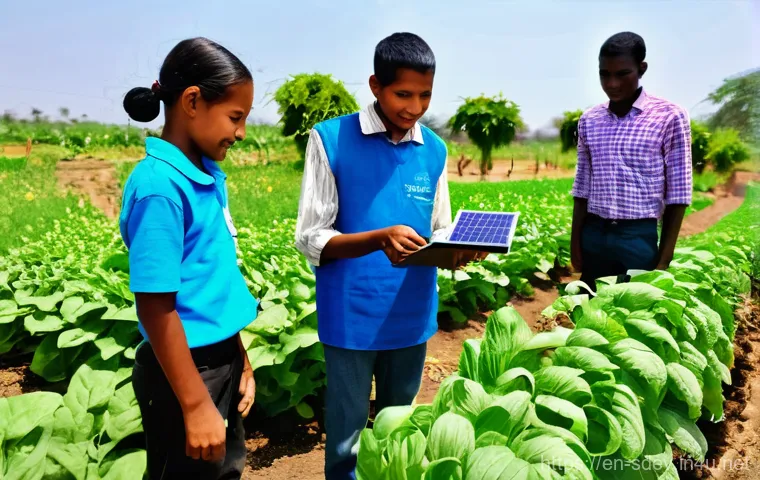
What’s the point of sustainable development if it doesn’t benefit *everyone*? This is a question I ask myself constantly. True sustainability isn’t just about environmental protection; it’s deeply intertwined with social equity, economic opportunity, and human rights. Collaborative initiatives have an incredible power to drive inclusive solutions, especially when they actively involve and empower vulnerable communities. I’ve seen projects transform when local voices are not just heard, but are central to the design and implementation. This focus on “leaving no one behind” is a core tenet of the UN Sustainable Development Goals, and it’s where partnerships can truly shine. It’s about building social equity, enhancing the ability of local communities to take part in joint decision-making processes, and creating employment opportunities for disadvantaged groups. When we ensure that everyone has a stake, and everyone benefits, that’s when we build a future that genuinely works for all.
Empowering Local Voices: Community-Led Development
Authentic engagement with local communities is absolutely non-negotiable. It means moving beyond token consultation to genuine co-creation, where local knowledge and priorities guide the entire process. For instance, some projects involve local communities in managing strategic urban property or providing urban services, creating both ecological and economic benefits. This approach not only ensures that solutions are culturally appropriate and relevant but also builds local capacity and ownership, making them far more sustainable in the long run. It’s about recognizing the wisdom and resilience already present within communities and building upon that foundation. The focus must be on bringing back wealth and resources into communities, not just extracting data or services from them.
Justice and Equity: Addressing Power Dynamics
Let’s face it, power imbalances can be a real issue in multi-stakeholder partnerships. Historically, some communities have been marginalized or exploited, leading to distrust. Addressing these power asymmetries requires a commitment to “epistemic justice,” ensuring that diverse forms of knowledge are recognized, valued, and integrated into decision-making. It involves proactive strategies to empower marginalized voices, promote participatory knowledge generation, and foster a culture of mutual learning and respect. By providing support for a just transition and ensuring that investment is aligned with climate goals, we can ensure that no one is left behind in the shift to a net-zero economy. It’s a continuous effort to create spaces for dialogue and relationship building, ensuring that everyone at the table feels valued and heard.
Catalyzing Cross-Sector Power: A Synergistic Approach
Alright, so we’ve talked about trust, tackling hurdles, measuring impact, and ensuring longevity. Now, let’s bring it all together. The real magic in sustainable development happens when we truly embrace the *power* of cross-sector collaboration. It’s about strategically combining the unique strengths of businesses, governments, non-profits, academia, and local communities in ways that unlock capabilities no single entity possesses. I’ve observed that when these different worlds genuinely collide, you don’t just solve problems – you innovate, you accelerate progress, and you build resilient systems. This isn’t a theoretical concept; it’s being demonstrated by global alliances and local initiatives every single day. The challenges we face are too complex for siloed solutions; they demand a holistic, integrated approach where diverse sectors work jointly towards common objectives. It’s about creating a collective force that can tackle the seemingly insurmountable, achieving far-reaching, sustainable impact.
Mapping the Landscape: Identifying Key Players
To maximize the power of cross-sector collaboration, you first need to know who’s out there and what they bring to the table. This often involves a “stakeholder mapping” exercise, where you identify all the organizations working on or affected by a particular issue. It helps to understand their influence, their resources, and how important the issue is to them. You’re looking for those key players whose resources are critical to solving the problem and for whom the issue is highly important. This comprehensive view allows you to identify potential partners, understand political economy dimensions, and anticipate resistance while also identifying coalitions for support. It’s an ongoing process, continually asking who might be missing from the table.
| Stakeholder Type | Typical Contributions | Benefits to Partnership |
|---|---|---|
| Governments/Public Sector | Policy frameworks, regulations, public spending, democratic legitimacy | Enables supportive institutional environment, incentivizes action, provides stability |
| Businesses/Private Sector | Innovation, technology, financial resources, market access, products/services, employment | Drives efficiency, brings scalable solutions, fosters economic growth |
| Civil Society/NGOs | Technical knowledge, community connection, advocacy, delivery capacity, local expertise | Ensures community relevance, strengthens grassroots engagement, promotes social equity |
| Academia/Research Institutions | Expertise, data, research, monitoring, innovative methodologies | Provides evidence-based approaches, enhances learning and adaptation, sparks new ideas |
From Theory to Transformation: Actionable Steps
So, what are the actionable steps to really make this cross-sector power work? First, foster a culture of trust and mutual respect. This means creating spaces for dialogue and shared learning. Second, develop common data platforms and information-sharing mechanisms to enhance understanding and coordination. Third, establish strong policy frameworks that incentivize collaboration and create a level playing field. Fourth, support dedicated intermediary organizations that can broker and facilitate partnerships. Finally, prioritize long-term, sustainable financing models that go beyond short-term project cycles. By combining these elements, we can transform intentions into measurable, scalable, and enduring impact, leading to a truly sustainable future for everyone. It’s an exciting time, and by consciously building these synergistic relationships, we can accelerate progress toward our shared global goals.
Wrapping Things Up
So, we’ve journeyed through the intricate world of impactful partnerships, from the foundational need for trust to the exciting potential of cross-sector innovation and the critical steps for ensuring longevity. What I truly hope you take away from all this is that sustainable development isn’t a solitary endeavor. It’s a symphony, a complex dance where every player, every organization, every individual has a vital role. It’s about consciously building bridges, fostering genuine connections, and bravely tackling challenges together. I’ve seen firsthand the incredible power unleashed when diverse groups commit to a shared vision, and honestly, it’s one of the most rewarding parts of what I do. Remember, every successful collaboration is a testament to human ingenuity and our collective will to create a better world, one partnership at a time. It’s a continuous learning curve, full of moments that challenge you and moments that inspire you, but always moving forward with purpose.
Handy Tips You’ll Want to Keep
1. Start Small, Dream Big: When embarking on a new partnership, don’t feel pressured to solve everything at once. Focus on achieving small, tangible wins early on. These build confidence, demonstrate commitment, and create a positive feedback loop that encourages deeper collaboration. It’s like testing the waters before diving in, ensuring everyone feels secure and sees the value in moving forward together.
2. Communication is Your Superpower: Seriously, you can never over-communicate enough in a multi-stakeholder setting. Establish clear, consistent channels for information sharing, be honest about both successes and setbacks, and actively listen to all voices. This transparency is the bedrock of trust and ensures everyone feels heard and valued, preventing misunderstandings before they even begin.
3. Diversify Your Funding Portfolio: Relying on a single funding source can be precarious. Explore blended finance models, public-private partnerships, and impact investing to secure long-term sustainability for your initiatives. This approach not only provides financial resilience but also brings in diverse perspectives and resources, strengthening the overall impact potential of your work.
4. Embrace Adaptive Learning: The world is constantly evolving, and so should your partnership strategies. Build in mechanisms for continuous monitoring, regular reviews, and the flexibility to adjust your approach based on new data and changing circumstances. It’s about being nimble and responsive, treating every challenge as an opportunity to learn and refine your path toward shared goals.
5. Prioritize Inclusivity from Day One: True impact is inclusive impact. Actively seek out and empower marginalized voices, integrate diverse forms of knowledge into decision-making, and ensure that solutions are culturally appropriate and beneficial for everyone. When local communities are at the heart of design and implementation, the solutions created are not only more effective but also far more sustainable.
Key Takeaways
The journey towards a truly sustainable future hinges on our ability to forge robust, trusting partnerships across all sectors. This isn’t just about pooling resources; it’s about a profound synergy where businesses, governments, NGOs, academia, and local communities combine their unique strengths to create solutions that are far greater than any individual effort. We’ve seen that success relies on establishing a shared vision, navigating challenges with resilience, meticulously measuring impact beyond just numbers, and fostering an environment that encourages innovation and long-term commitment. Crucially, these collaborations must be deeply inclusive, empowering all voices and ensuring equitable outcomes. By consciously building bridges, practicing transparent communication, and embracing adaptive strategies, we can accelerate progress towards our global goals, ultimately crafting a world that works harmoniously for everyone.
Frequently Asked Questions (FAQ) 📖
Q: What are the biggest hurdles when different organizations try to team up on sustainability projects, and how can we actually overcome them?
A: Oh, this is such a critical question, and it’s one I hear all the time! From my own experience, and what I’ve seen in the field, the biggest roadblocks often come down to a few core areas.
First, there’s the classic issue of conflicting priorities and organizational cultures. Imagine a fast-paced tech startup trying to collaborate with a slower-moving government agency – their internal rhythms, reporting structures, and even their language can be wildly different.
I remember working on a waste reduction project where a corporate partner was all about quarterly metrics, while the local community group was focused on long-term behavioral change, which naturally takes longer.
It felt like we were speaking different languages! Then, we often hit trust deficits. Building trust takes time and consistent effort, especially when partners have different agendas or past negative experiences.
And let’s not forget resource allocation and equitable risk-sharing. Sometimes one partner shoulders most of the financial risk or effort, while others reap the rewards.
It’s a recipe for burnout and resentment. So, how do we overcome these? It’s not easy, but it’s absolutely doable!
My top tip is to prioritize early, open, and continuous communication. Seriously, over-communicate everything. Set clear, shared goals right from the start, making sure everyone feels heard and valued in shaping that vision.
I’ve found that strong, impartial facilitators can be absolute game-changers in navigating those tricky initial discussions and mediating conflicts. You also need to invest in institutionalization and long-term funding strategies from the outset, not just for the projects themselves, but for the partnership infrastructure.
Think about having clear governance structures and transparent agreements that outline roles, responsibilities, and how risks and rewards are shared. It’s like building a strong foundation for a house – you wouldn’t cut corners there, right?
Q: I’m just a small business owner/individual passionate about sustainability. Can I really make a difference in these big, cross-sector partnerships, or are they just for the major players?
A: This question resonates so deeply with me because I truly believe that everyone has a vital role to play, no matter their size or perceived influence!
It’s easy to feel dwarfed by the scale of global challenges, but trust me, your contribution is absolutely essential. From my perspective, small businesses, local community groups, and passionate individuals are the lifeblood of sustainable change.
Think about it: who has the most intimate understanding of local needs and nuances? Often, it’s the people on the ground! Small businesses bring incredible agility and innovative solutions that larger organizations might overlook.
They can pilot new ideas quickly, and their local embeddedness means their impact is often immediate and tangible within their communities. I’ve seen small artisanal brands drive entire circular economy initiatives in their towns, simply by inspiring others and leading by example.
Individuals, too, hold immense power. Your advocacy, ethical purchasing choices, volunteer work, and even just spreading awareness can create ripple effects that influence larger players.
Supporting businesses that align with the UN Sustainable Development Goals, for example, directly incentivizes responsible practices. Participating in local initiatives, like community gardens or clean-up drives, not only creates direct environmental benefits but also builds social capital and local resilience.
These grassroots efforts often spark the very ideas that eventually get scaled up through larger partnerships. So, don’t ever underestimate the power of your passion and your local presence.
You’re not just a small player; you’re a vital connector, an innovator, and a catalyst for change.
Q: With so much talk about innovation, what kinds of collaborative initiatives are genuinely moving the needle right now in sustainable development? Give me some tangible examples!
A: This is where it gets super exciting! We’re seeing some truly groundbreaking collaborations that are making a real difference, often leveraging technology and a fresh approach to problem-solving.
From what I’ve observed, and keeping an eye on the latest trends, here are a few types of initiatives that are really shining in 2024 and 2025:First up, Nature-Based Solutions (NBS) partnerships are gaining massive traction.
These are collaborations focused on protecting, sustainably managing, and restoring natural ecosystems to address societal challenges. Think about projects funding mangrove restoration or peatland rehabilitation.
I recently read about an amazing initiative in Indonesia where DBS Bank is involved in blended finance schemes to support mangrove restoration, which not only reduces emissions but also has a strong multiplier effect economically.
It’s a win-win! These often involve local communities, governments, financial institutions, and conservation groups all working together. Another area I’m incredibly optimistic about is circular economy partnerships, often with a tech twist.
We’re seeing cities partner with startups to tackle plastic waste by converting hard-to-recycle plastics into low-carbon building materials. A fantastic example is the 10-year public-private partnership in Harar, Ethiopia, where the city administration teamed up with a startup called Kubik to make Harar plastic-waste-free.
The city provides land and workforce, and Kubik brings the technology. It’s innovative, scalable, and addresses a huge environmental problem head-on. AI is also becoming indispensable in enhancing waste sorting and processing, boosting recycling rates.
Finally, a major trend is data-driven cross-sector collaborations aimed at improving transparency and accelerating transitions. With new regulations like the EU’s Corporate Sustainability Reporting Directive (CSRD), companies are compelled to disclose environmental impacts more transparently.
We’re seeing financial institutions, governments, and industry players working together on sustainable financing and transition finance. These partnerships are crucial for channeling funds towards green projects and supporting sectors moving towards more sustainable operations, even those “hard-to-abate” sectors.
It’s all about shared knowledge, shared risks, and a collective push towards a greener, more resilient economy. I truly believe that by fostering these kinds of creative, multi-faceted collaborations, we can build a future that truly works for everyone.