Hello, my incredible community! Have you ever found yourself gazing out the window, wondering if your career path truly aligns with the positive impact you want to make in the world?
I know I certainly have. It’s a question that resonates deeply with so many of us, especially as the global conversation around climate change and social equity intensifies.
For years, the idea of a “sustainable development expert” might have sounded niche, perhaps even a bit abstract. But let me tell you, from what I’ve seen firsthand and the incredible transformations happening all around us, it’s rapidly becoming one of the most vital, dynamic, and genuinely fulfilling professional journeys out there.
This isn’t just a fleeting trend; it’s the future calling, a massive shift demanding passionate minds. Navigating this exciting landscape, however, can feel like charting an unexplored territory.
It’s not always straightforward, but the rewards? Absolutely immeasurable. It’s about blending purpose with profession, and trust me, there’s nothing quite like it.
If you’re pondering how to pivot, or even just starting to dream about a career that truly matters, you’re in the right place. We’re talking about a field that’s exploding with opportunities, from integrating ESG strategies into major corporations to pioneering circular economy models and leading community resilience projects.
The demand for professionals who understand the intricate balance between economic growth, environmental stewardship, and social well-being has never been higher, nor has it been more urgent.
Whether you’re a recent graduate or looking for a meaningful career change, understanding the evolving landscape and carving out your unique path is crucial.
Forget the old notions; this is a career that’s innovative, impactful, and brimming with potential for those ready to make a real difference. If you’re ready to explore how your skills and passion can contribute to a better world, you’ve come to the perfect spot.
So, how exactly does one navigate this incredibly impactful and rapidly growing field? What are the entry points, the skills you absolutely need, and the unexpected twists and turns you might encounter along the way?
Let’s dive deep into the comprehensive guide to becoming a sustainable development expert and uncover all the insider tips you’ll need to thrive in this essential career.
Let’s make sure you’re fully equipped to embark on this incredibly rewarding journey. Let’s explore this thoroughly.
Shifting Your Mindset: Why Sustainable Development Now?
Have you ever really stopped to think about the impact your daily work has on the world around you? For me, it was a slow burn, a nagging feeling that there had to be more than just hitting quarterly targets.
I remember scrolling through news feeds, seeing headlines about climate emergencies and social injustices, and a deep sense of urgency started to bubble up.
This isn’t just about feeling good about your job; it’s about being at the forefront of a global transformation, a movement that’s reshaping industries and communities from the ground up.
What once felt like a fringe topic or something only for non-profits is now firmly embedded in boardrooms, government policies, and grassroots initiatives.
It’s a seismic shift, and if you’re sensing that call, believe me, it’s a powerful one. This isn’t just about being “green”; it’s about smart economics, social equity, and securing a future that works for everyone.
My personal journey into this space wasn’t linear, but every conversation, every workshop, every challenge has reinforced that this path is not only vital but incredibly exhilarating.
It’s about merging what you do with who you are and what you believe in.
Understanding the ‘Why’ Behind the Green Shift
The “why” behind sustainable development is no longer a question of idealism; it’s a matter of pragmatism and survival. Companies are realizing that ignoring environmental and social factors isn’t just bad for PR, it’s bad for the bottom line.
Investors are increasingly screening for ESG (Environmental, Social, and Governance) performance, and consumers are demanding products and services that align with their values.
This isn’t a passing fad; it’s a fundamental recalibration of how we do business and live our lives. I’ve witnessed firsthand how companies that embrace sustainability strategies not only mitigate risks but unlock incredible innovation and new market opportunities.
Think about the rise of plant-based alternatives, renewable energy solutions, or even fashion brands built entirely on circular economy principles. These aren’t niche markets anymore; they’re becoming mainstream.
Understanding this underlying momentum – the economic, social, and environmental drivers – is your first crucial step. It gives you the context, the leverage, and the passion to truly excel.
Beyond Philanthropy: A Lucrative and Impactful Path
Let’s be real for a moment: while purpose is a huge motivator, financial stability matters. And here’s the exciting news – sustainable development isn’t just for those willing to work for less.
The demand for skilled professionals in this field is skyrocketing, leading to competitive salaries and robust career progression. When I first started exploring this path, I worried it might mean sacrificing earning potential, but that couldn’t be further from the truth.
The market is valuing expertise in areas like renewable energy project management, corporate sustainability reporting, green finance, and supply chain ethics at impressive rates.
It’s about leveraging your skills to solve complex problems that have immense value. You’re not just making a difference; you’re building a highly sought-after skillset that commands respect and remuneration.
This blend of purpose and prosperity is, in my opinion, one of the most compelling aspects of this career path.
Essential Skills for the Modern Eco-Warrior
Stepping into the sustainable development arena isn’t just about having a big heart; it’s about equipping yourself with a diverse toolkit of skills that will allow you to make tangible, measurable change.
When I reflect on the most successful people I’ve encountered in this space – from policy advisors to corporate sustainability managers – they all possess a unique blend of technical knowledge and crucial soft skills.
It’s a field that demands both deep analytical prowess and the ability to influence and inspire. You might think it’s all about knowing the latest environmental regulations, and yes, that’s part of it, but it’s so much more.
It’s about being a problem-solver, a communicator, and a strategic thinker all rolled into one. I’ve personally found that the ability to translate complex data into actionable insights for diverse audiences is absolutely golden.
Don’t underestimate the power of being able to tell a compelling story, backed by solid evidence.
The Technical Toolkit: From Data to Policy
On the technical side, having a solid grasp of relevant scientific principles, data analysis, and policy frameworks is non-negotiable. This could mean understanding life cycle assessments for products, knowing how to interpret climate models, or navigating the intricacies of international environmental agreements like the Paris Agreement.
Familiarity with sustainability reporting standards (like GRI or SASB) and ESG metrics is also becoming incredibly important, especially if you’re looking at corporate roles.
I’ve spent countless hours diving into these reports and learning how to not just read them, but to extract meaningful trends and identify areas for improvement.
Data literacy is paramount; you need to be able to collect, analyze, and present information in a way that drives decisions. And let’s not forget project management skills – bringing sustainable initiatives from concept to reality often involves complex planning and execution.
Soft Skills That Make the Difference
Beyond the technical expertise, it’s often the ‘human’ skills that truly set you apart. Collaboration is king in sustainable development, as you’ll constantly be working across departments, with external stakeholders, and within diverse communities.
This requires exceptional communication – both written and verbal – and the ability to listen actively and empathize. Negotiation skills are also critical, especially when trying to balance competing interests or advocating for change within an organization.
I’ve learned that patience and persistence are your best friends; change rarely happens overnight, and you’ll encounter resistance. Leadership, even if you’re not in a formal leadership role, is about inspiring others and championing new ideas.
And finally, adaptability is key. This field is constantly evolving, with new technologies, policies, and challenges emerging regularly. Being able to learn, unlearn, and relearn quickly is a superpower.
Navigating the Educational Landscape: Degrees and Certifications
When I first considered pivoting into sustainability, the sheer number of academic programs and certifications felt a bit overwhelming. It’s like standing in a huge library, not knowing which book to pick first!
What I’ve learned through my own journey and observing others is that there’s no single “right” path, but there are certainly more effective ones. The landscape has matured considerably, offering everything from traditional university degrees to specialized online courses and professional certifications.
It’s about finding the blend that leverages your existing background while filling in any knowledge gaps. I personally found that combining some formal learning with practical, hands-on experience was the most potent combination.
Don’t feel pressured to go back for a four-year degree if it doesn’t align with your goals, but do invest in continuous learning.
Formal Education: What’s Worth the Investment?
For many, a Master’s degree in Sustainability, Environmental Management, or a related field can open significant doors, especially for roles requiring deep theoretical knowledge or research.
Programs often cover areas like environmental policy, sustainable business practices, ecological economics, and climate science. Universities globally, from Ivy League institutions to smaller specialized colleges, are offering incredible programs.
However, it’s vital to research program curricula thoroughly to ensure they align with your specific interests. Don’t just look at the university’s name; dig into the courses, the faculty’s research, and alumni career paths.
For those already mid-career, an MBA with a sustainability concentration can be incredibly powerful, blending business acumen with environmental and social responsibility.
I’ve seen how these degrees provide a robust framework for understanding systemic challenges and developing integrated solutions.
Boosting Your Credentials with Certifications
Beyond formal degrees, professional certifications can be a game-changer, demonstrating specialized knowledge and commitment to employers. These are often more focused and can be completed in a shorter timeframe.
Think about certifications in areas like LEED (Leadership in Energy and Environmental Design) for green building, Certified Energy Manager (CEM), or various Project Management Professional (PMP) certifications with an environmental focus.
There are also emerging certifications in areas like circular economy principles, ESG reporting, and corporate social responsibility. I personally pursued a certification in a specific area of environmental auditing, and it immediately boosted my credibility and opened up new consulting opportunities.
These certifications show that you’re not just interested; you’re invested and have verifiable skills that are directly applicable to industry needs.
Finding Your Niche: Diverse Pathways in Sustainability
One of the most exciting aspects of sustainable development is its incredible breadth. When I first started, I vaguely thought it meant “saving the trees,” but boy, was I mistaken!
The field is a mosaic of different roles, industries, and specializations, meaning there’s truly something for everyone, regardless of your background.
Whether you’re a finance whiz, a marketing guru, a logistics expert, or a community organizer, there’s a place for you to make a difference. This diversity is what makes the field so vibrant and resilient.
I’ve seen people transition from traditional finance into green banking, from engineering into renewable energy design, and from marketing into sustainable brand management.
It’s about identifying where your unique skills intersect with the pressing needs of the planet and society. Don’t try to fit into a mold; instead, explore the vast landscape and carve out your own unique niche.
Corporate Responsibility and ESG Roles
In the corporate world, roles focused on Environmental, Social, and Governance (ESG) criteria are booming. This involves everything from developing and implementing corporate sustainability strategies to reporting on a company’s environmental footprint, labor practices, and ethical governance.
You might find yourself as a Sustainability Manager, ESG Analyst, or Corporate Social Responsibility (CSR) Specialist. These professionals often work to embed sustainable practices throughout the supply chain, manage stakeholder relations, and ensure compliance with environmental regulations.
It’s about driving systemic change from within large organizations, often balancing profitability with purpose. I’ve worked with companies where embedding ESG principles has not only reduced waste but also improved employee morale and attracted top talent.
It’s a strategic area that directly impacts a company’s long-term viability and reputation.
Innovation in Green Technology and Circular Economy
If innovation and new frontiers excite you, then the green technology and circular economy sectors might be your calling. This involves developing and deploying renewable energy solutions (solar, wind, geothermal), creating sustainable materials, designing products for longevity and recyclability, and pioneering waste-to-resource initiatives.
Think roles like Renewable Energy Engineer, Sustainable Product Designer, or Circular Economy Consultant. This sector is incredibly dynamic, often at the cutting edge of scientific and technological advancement.
It’s about reimagining how we produce, consume, and dispose of goods, moving away from a linear “take-make-waste” model towards one that keeps resources in use for as long as possible.
The ingenuity and problem-solving required here are immense, and the potential for impact is staggering.
Community Engagement and Policy Advocacy
For those passionate about direct impact on people and policy, roles in community engagement, urban planning, and policy advocacy are incredibly rewarding.
This could mean working with local governments on sustainable urban development projects, advocating for environmental justice, developing community resilience plans, or engaging with stakeholders on conservation initiatives.
Roles might include Urban Planner, Community Development Specialist, Environmental Policy Analyst, or Advocacy Director. These positions often require strong communication, negotiation, and organizing skills, as you’ll be working to empower communities and influence decision-makers.
It’s about building a better, more equitable future from the ground up, ensuring that sustainable development benefits everyone, especially those most vulnerable.
| Career Path Focus | Common Roles | Key Skills |
|---|---|---|
| Corporate Sustainability | ESG Analyst, Sustainability Manager, CSR Specialist | Reporting standards, stakeholder engagement, business strategy, data analysis |
| Green Technology & Innovation | Renewable Energy Engineer, Sustainable Product Designer, R&D Specialist | Engineering, materials science, project management, innovation mindset |
| Policy & Advocacy | Environmental Policy Analyst, Urban Planner, Community Organizer | Policy analysis, public speaking, negotiation, community building |
| Conservation & Ecosystems | Conservation Scientist, Wildlife Biologist, Park Ranger | Ecology, data collection, fieldwork, grant writing |
| Sustainable Finance | Green Investment Analyst, ESG Portfolio Manager, Impact Investor | Financial modeling, market analysis, ESG data interpretation |
Building Your Network and Gaining Practical Experience
Okay, let’s talk about something incredibly vital that often gets overlooked: getting your hands dirty and building your tribe. Education and theoretical knowledge are fantastic, but nothing, and I mean *nothing*, compares to real-world experience and a robust professional network.
I’ve seen countless individuals with stellar academic records struggle to land their dream roles because they lacked practical exposure or connections.
This isn’t just about finding a job; it’s about embedding yourself in the community, learning from those on the front lines, and discovering where your passions truly lie.
My biggest breakthroughs have almost always come from unexpected connections made at conferences or during volunteer projects. It’s where theories become realities, and where you learn the nuances that no textbook can teach.
The Power of Connection: Where to Find Your Tribe
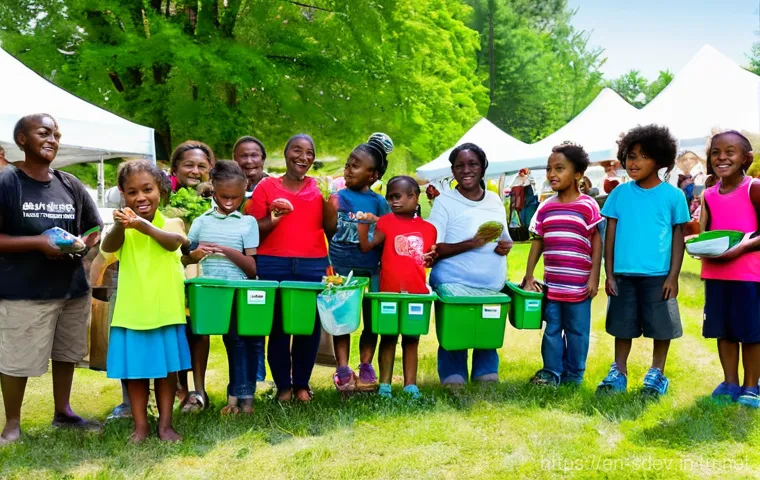
Networking in sustainable development is a game-changer. It’s not just about collecting business cards; it’s about building genuine relationships with people who share your passion and can offer insights, mentorship, or future opportunities.
Start by attending industry conferences and webinars. Look for local sustainability meetups, professional associations like the American Sustainable Business Council or the National Association of Environmental Professionals, and online forums.
LinkedIn is an absolute goldmine for connecting with thought leaders and recruiters in the space. Don’t be afraid to reach out for informational interviews; most people are incredibly generous with their time if you approach them respectfully.
I’ve personally gained so much invaluable advice and discovered unexpected career paths just by having casual coffee chats with people I admired in the field.
Getting Your Hands Dirty: Internships and Volunteer Work
Practical experience is the currency of the sustainability world. Whether you’re a recent graduate or making a career switch, internships and volunteer positions can provide the crucial bridge between academic knowledge and real-world application.
Look for opportunities with NGOs, government agencies, sustainable businesses, or research institutions. Even small, local projects can offer immense learning.
For example, volunteering with a community garden initiative, participating in a local clean-up, or helping a small business conduct a waste audit can provide tangible skills and experiences to put on your resume.
I remember my first volunteer role involved organizing an environmental awareness campaign, and while it seemed small, it taught me so much about communication and project coordination that I still use today.
These experiences show initiative, dedication, and a practical understanding of the challenges and solutions in the field.
Monetizing Your Passion: The Sustainable Development Career Landscape
Let’s talk brass tacks: turning your passion for a better world into a sustainable livelihood. For a long time, there was this misconception that working in sustainable development meant taking a pay cut, but that’s simply not true anymore.
The market has matured, and companies and organizations are realizing the immense value that skilled sustainability professionals bring to the table. From increased efficiency and risk mitigation to enhanced brand reputation and new market opportunities, the ROI is clear.
My own experience has shown me that if you strategically develop your skills and articulate your value, you can build a highly rewarding and financially stable career.
It’s about understanding where the demand is highest and positioning yourself as the solution.
Current Salary Trends and Growth Areas
The salary landscape in sustainable development is robust and growing. Entry-level positions might start in the $45,000-$60,000 range, but with a few years of experience and specialized skills, mid-career professionals can expect to earn $70,000-$100,000+.
Senior roles, especially in corporate leadership, consulting, or project management for large-scale initiatives, can easily command salaries well into six figures, even exceeding $150,000+.
Areas like renewable energy project management, ESG investing, and sustainable supply chain optimization are particularly hot right now, often offering premium compensation due to high demand for specific expertise.
Don’t just focus on the starting salary; look at the growth trajectory and the potential for increased earnings as you gain experience and specialize.
Strategizing for a High-Impact, High-Earning Role
To maximize your earning potential and impact, consider focusing on areas where sustainability intersects with core business functions. For instance, blending financial acumen with ESG expertise makes you incredibly valuable to investment firms.
Combining engineering skills with renewable energy development puts you in high demand. Develop strong data analysis and communication skills to effectively report on sustainability performance and demonstrate ROI.
Also, don’t shy away from leadership and management training. As the field matures, there’s a growing need for professionals who can not only design sustainable solutions but also lead teams and drive organizational change.
Networking, as I mentioned, is also crucial for discovering and accessing those higher-paying, more impactful opportunities. Continuously learning and adapting to new trends will ensure you remain a highly sought-after expert.
Overcoming Challenges and Staying Inspired
Even on the most fulfilling career paths, there will inevitably be hurdles. Sustainable development, while incredibly rewarding, isn’t always smooth sailing.
You’ll encounter resistance, skepticism, and sometimes, plain old apathy. There will be moments where you feel like you’re pushing a boulder uphill, and I’ve certainly had my share of those days!
It’s easy to get disheartened when facing complex global problems or bureaucratic red tape. But here’s the secret sauce: resilience, a strong support system, and a deep, unwavering commitment to your “why.” It’s about learning to celebrate the small victories and remembering that every single action, every conversation, every project contributes to a larger, more hopeful future.
Dealing with Greenwashing and Resistance
One of the most frustrating challenges you might face is dealing with “greenwashing” – companies or organizations making misleading claims about their environmental efforts – or outright resistance to change.
You might be advocating for a new sustainable practice, only to be met with arguments about cost, feasibility, or a general reluctance to alter the status quo.
In these moments, it’s crucial to be armed with data, a clear understanding of the business case for sustainability, and excellent communication skills.
I’ve found that framing sustainability as an opportunity – for innovation, efficiency, or competitive advantage – rather than just a cost or a compliance issue, can often shift perspectives.
Patience and persistence are your allies; sometimes it takes time to build consensus and demonstrate the tangible benefits of sustainable practices.
Nurturing Your Drive in a Demanding Field
Working to solve complex environmental and social problems can be emotionally and intellectually demanding. It’s essential to cultivate practices that help you stay motivated and avoid burnout.
Connect with like-minded individuals who can offer support and understanding. Continuously educate yourself by reading books, articles, and research – staying informed can fuel your passion and equip you with new solutions.
Seek out mentorship; having someone who has navigated similar challenges can be incredibly encouraging. And don’t forget to celebrate your successes, no matter how small they seem.
A new recycling program implemented, a successful community engagement event, or a reduction in energy consumption – these are all vital wins. Remembering your initial motivation and focusing on the positive impact you are making, even incrementally, is key to nurturing your long-term drive.
The Future is Green: What’s Next for Sustainable Experts?
If you’ve made it this far, you’re probably already feeling the pull of this incredible field, and let me tell you, the future for sustainable development experts is not just bright – it’s absolutely electrifying.
This isn’t a temporary boom; it’s a fundamental shift in how our world operates, driven by innovation, necessity, and evolving societal values. The demand for professionals who can navigate these complex intersections of economy, environment, and society is only going to intensify.
I truly believe we’re just at the beginning of this transformative journey, and the opportunities for impact and innovation are boundless. It’s an exciting time to be an “eco-warrior,” shaping a world that’s more resilient, equitable, and thriving for generations to come.
Emerging Technologies and New Frontiers
The pace of technological innovation in sustainable development is breathtaking. From AI-driven solutions for optimizing energy grids and agricultural practices to advanced materials for circular economy design and sophisticated carbon capture technologies, new frontiers are constantly opening up.
As a sustainable development expert, staying abreast of these emerging technologies isn’t just an advantage; it’s a necessity. This means continuous learning, attending tech expos, and even experimenting with new tools and platforms.
We’re going to see exponential growth in areas like sustainable fintech, bio-based manufacturing, and smart city infrastructure. Being at the cutting edge of these developments positions you as a visionary leader in the field, ready to tackle the challenges of tomorrow with groundbreaking solutions.
The Evolving Landscape of Policy and Investment
Global and local policies are rapidly evolving to support sustainable development, creating new regulations, incentives, and market mechanisms. Think about the increasing carbon pricing initiatives, green procurement policies, and stricter environmental impact assessments.
Concurrently, green finance and impact investing are exploding, channeling vast amounts of capital into sustainable projects and businesses. Understanding these policy shifts and investment trends will be critical.
It means being able to interpret new legislation, advise organizations on compliance, and identify opportunities for funding sustainable initiatives. The interplay between policy, investment, and technological innovation will define the next decade of sustainable development, and experts who can bridge these areas will be in incredibly high demand.
Wrapping Things Up
Whew, we’ve covered a lot, haven’t we? My hope is that by now, you’re not just seeing “sustainable development” as a buzzword, but as a vibrant, dynamic field overflowing with opportunities for impact and personal growth. This journey into creating a better world isn’t just for a select few; it’s a call to action for all of us, and believe me, it’s one of the most fulfilling paths you can choose. What truly resonates with me, having navigated this landscape for a while now, is the sheer potential for innovation and genuine change. So, go on, take that first step, whether it’s a course, a conversation, or a simple change in how you approach your daily work. The world genuinely needs your unique perspective and passion, and trust me, you won’t regret diving in.
Useful Information to Know
1. Start by identifying what truly excites you within the vast sustainability landscape – is it policy, technology, community, or corporate change? Your passion will be your greatest guide.
2. Don’t underestimate the power of strong communication and storytelling; being able to articulate complex ideas simply can make all the difference in driving change.
3. Actively seek out mentors and join professional networks. The insights and connections you gain from experienced individuals are absolutely invaluable for navigating this evolving field.
4. Be a lifelong learner! The sustainable development space is constantly innovating, so staying curious and continuously educating yourself on new trends, technologies, and policies is paramount.
5. Remember that every small action contributes to the bigger picture. Celebrate your incremental wins and allow them to fuel your motivation, especially on challenging days.
Key Takeaways
At its heart, sustainable development isn’t just about environmental protection; it’s about building a future that is equitable, resilient, and prosperous for everyone. What I’ve seen time and again is that merging your purpose with your profession offers an unparalleled sense of fulfillment. This field offers not only the chance to make a profound difference but also incredible career growth and competitive compensation. Embrace continuous learning, cultivate a diverse skill set blending technical expertise with crucial soft skills, and actively build your professional network. The future demands individuals who are passionate, knowledgeable, and ready to drive positive change, and that person, my friend, could absolutely be you.
Frequently Asked Questions (FAQ) 📖
Hello, my incredible community! Have you ever found yourself gazing out the window, wondering if your career path truly aligns with the positive impact you want to make in the world?
I know I certainly have. It’s a question that resonates deeply with so many of us, especially as the global conversation around climate change and social equity intensifies.
For years, the idea of a “sustainable development expert” might have sounded niche, perhaps even a bit abstract. But let me tell you, from what I’ve seen firsthand and the incredible transformations happening all around us, it’s rapidly becoming one of the most vital, dynamic, and genuinely fulfilling professional journeys out there.
This isn’t just a fleeting trend; it’s the future calling, a massive shift demanding passionate minds. Navigating this exciting landscape, however, can feel like charting an unexplored territory.
It’s not always straightforward, but the rewards? Absolutely immeasurable. It’s about blending purpose with profession, and trust me, there’s nothing quite like it.
If you’re pondering how to pivot, or even just starting to dream about a career that truly matters, you’re in the right place. We’re talking about a field that’s exploding with opportunities, from integrating ESG strategies into major corporations to pioneering circular economy models and leading community resilience projects.
The demand for professionals who understand the intricate balance between economic growth, environmental stewardship, and social well-being has never been higher, nor has it been more urgent.
Whether you’re a recent graduate or looking for a meaningful career change, understanding the evolving landscape and carving out your unique path is crucial.
Forget the old notions; this is a career that’s innovative, impactful, and brimming with potential for those ready to make a real difference. If you’re ready to explore how your skills and passion can contribute to a better world, you’ve come to the perfect spot.
So, how exactly does one navigate this incredibly impactful and rapidly growing field? What are the entry points, the skills you absolutely need, and the unexpected twists and turns you might encounter along the way?
Let’s dive deep into the comprehensive guide to becoming a sustainable development expert and uncover all the insider tips you’ll need to thrive in this essential career.
Let’s make sure you’re fully equipped to embark on this incredibly rewarding journey. Let’s explore this thoroughly.
A1: This is such a common question, and honestly, it’s one of the things I love most about this field: it’s incredibly diverse! While a degree in environmental science, urban planning, public policy, or even business with a sustainability focus is a fantastic foundation, it’s not the only path. I’ve personally met incredible sustainable development experts who started in completely different fields—think engineering, communications, or even liberal arts. What truly matters is developing a solid understanding of key sustainability principles like the circular economy, climate change mitigation, social equity, and corporate responsibility. If you’re currently in college, consider a minor or a specialized certificate. If you’re already in your career, online courses from platforms like Coursera or edX, or even a specialized master’s degree in sustainability, can be game-changers. I’ve seen firsthand how a well-chosen online program can equip you with the technical language and frameworks you need to pivot effectively. The key is demonstrating that you’ve actively sought out and absorbed knowledge specific to sustainability, regardless of your initial major. It’s all about showing that genuine, undeniable passion!
A2: Oh, this is where it gets really juicy! Formal education is great, but the soft skills and practical abilities are what truly set you apart. From my experience, strong analytical and problem-solving skills are non-negotiable. You’ll be dealing with complex, interconnected issues, so being able to dissect data, identify root causes, and propose innovative solutions is crucial. Communication is another huge one – and I mean in every sense. You’ll need to articulate complex environmental and social concepts to diverse audiences, from corporate executives to community members, and even write compelling reports. Negotiation and collaboration are also paramount; you’re often bringing together different stakeholders with varying interests, so finding common ground and building consensus is a superpower in this field. Don’t forget project management! Sustainable development initiatives often involve multiple moving parts, so keeping things organized and on track is key. And honestly, a good dose of resilience and adaptability. The landscape is constantly evolving, and you need to be able to roll with the punches and embrace new information. I can’t stress enough how much a genuine curiosity and a willingness to continuously learn will benefit you. It’s like being a detective for a better future, always digging for the next piece of the puzzle.
A3: This is probably the most exciting part, because the variety is immense! A “sustainable development expert” isn’t just one job title; it’s a whole universe of possibilities. You could be a Sustainability Consultant, helping businesses integrate ESG (Environmental, Social, and Governance) practices, or a Corporate Social Responsibility (CSR) Manager, driving ethical initiatives within a company. Maybe you’re an Environmental Policy Analyst, shaping legislation, or a Program Manager for an NGO, working directly on community-based projects in renewable energy or conservation. I’ve also seen roles like Green Building Specialist, focusing on sustainable architecture, or even Impact Investment Analyst, directing capital towards environmentally and socially responsible ventures. To find your niche, I always recommend a two-pronged approach. First, reflect on your existing strengths and passions. Are you a data whiz? A natural communicator? Passionate about a specific issue like water scarcity or renewable energy? Second, network like crazy! Talk to people already in the field. Go to industry events, even virtual ones. Internships, even unpaid ones, are invaluable for getting hands-on experience and seeing what different roles entail. The more you explore, the clearer your unique path will become. Remember, this field needs passionate individuals from every walk of life, so don’t be afraid to carve out a role that truly speaks to you and your strengths!