Sustainability isn’t just a buzzword anymore; it’s a global movement that’s shaping our future, and honestly, I’m thrilled to be a part of it. I’ve seen firsthand how passionate individuals are transforming industries, from renewable energy to ethical fashion, and it truly inspires me.
But let’s be real, turning that passion into practical, real-world experience can feel a bit daunting, can’t it? We all want to make a tangible impact, to contribute meaningfully, but sometimes knowing where to start feels like navigating a dense forest without a map.
That’s why I’m so excited to share what I’ve learned about actively building a robust foundation in sustainable development. Trust me, it’s more accessible than you might think, and the journey is incredibly rewarding.
Let’s dive into exactly how you can gain that invaluable hands-on experience and really make a difference.
Getting Your Hands Dirty: The Power of Volunteering

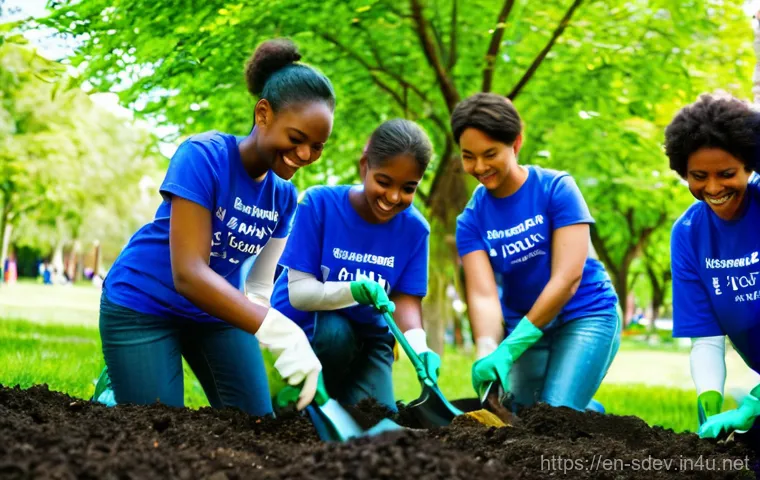
Honestly, when I first dipped my toes into the world of sustainability, I felt a bit overwhelmed. There’s so much to learn, so many different facets, and it can feel like you need a Ph.D. just to understand the basics. But let me tell you, volunteering was my absolute game-changer. It wasn’t about poring over textbooks; it was about getting out there, rolling up my sleeves, and seeing the impact firsthand. I remember my first tree-planting event – the sheer joy of feeling the soil in my hands and knowing I was contributing to something bigger than myself was incredibly motivating. It taught me invaluable lessons about teamwork, resource management, and the tangible results of collective action, all while building connections with truly inspiring people. Plus, it’s a fantastic way to test the waters in various areas of sustainable development without the pressure of a full-time commitment. You get to explore different environmental or social causes, discover what truly resonates with your passion, and gain practical skills that look amazing on any resume.
Finding Your Perfect Green Cause
The beauty of volunteering is its vast diversity. You’re not limited to just one type of activity. Think about what truly ignites your passion. Are you a marine biology enthusiast? Look for beach cleanups or ocean conservation groups. Do you care deeply about food security? Urban farming initiatives or community gardens could be your calling. My personal journey started with local park cleanups, which then led me to a non-profit focused on sustainable urban planning. It’s a journey of discovery, and the key is to be open to different experiences. Don’t be afraid to try a few different things until you find that perfect fit where you feel truly engaged and your contributions feel meaningful. Websites like VolunteerMatch or Idealist are fantastic starting points, but sometimes the best opportunities are found right in your own community, through local environmental groups or even university outreach programs.
From Local Cleanups to Global Initiatives
It’s incredible how many opportunities exist, from the smallest local projects to massive international campaigns. I’ve seen friends start by organizing recycling drives in their apartment buildings and eventually find themselves coordinating large-scale waste reduction programs for entire cities. The scope is truly endless. For example, if you’re passionate about global issues, organizations like the UN Volunteers or specific NGOs often have programs that allow you to contribute remotely or even in person abroad. Imagine helping to implement clean water projects in developing communities or assisting with renewable energy installations. These experiences are not only personally enriching but also provide a global perspective on sustainability challenges and solutions. Don’t underestimate the power of starting small; every little bit adds up, and you never know where that initial spark of volunteering might lead you.
Stepping Into the Professional World: Sustainable Internships
While volunteering is an amazing launchpad, nothing quite prepares you for a career in sustainability like a proper internship. This is where the rubber truly meets the road, and you get a real taste of what it’s like to work in the field day-to-day. I remember my own internship at an environmental consulting firm; it was a whirlwind of learning, from analyzing data on carbon footprints to helping draft sustainability reports for major corporations. It wasn’t always glamorous, but it was incredibly insightful. I got to witness strategic decision-making, navigate complex regulations, and understand the economic drivers behind sustainable practices. It also helped me refine my professional communication skills and learn how to collaborate effectively within a team dedicated to making a positive impact. It’s an investment in your future, providing not just experience, but also invaluable mentorship and potential job prospects.
Navigating the Sustainable Internship Landscape
Finding the right internship can feel like a quest, but there are so many options out there if you know where to look. Think broadly! It’s not just environmental non-profits; consider corporate sustainability departments, government agencies (like the EPA or local planning commissions), research institutions, or even startups focused on green tech. LinkedIn, university career centers, and specialized job boards like GreenBiz or Environmental Career Opportunities are excellent resources. When you’re applying, really tailor your cover letter. Show them you’ve done your homework on their organization and explain *why* you’re passionate about *their* specific work. Highlight any relevant projects, even academic ones, that demonstrate your interest and nascent skills. Remember, they’re looking for enthusiasm and a willingness to learn, not necessarily a seasoned expert.
Making the Most of Your Internship Experience
Once you land that internship, seize every single opportunity. Don’t just wait to be told what to do. Be proactive! Ask questions, offer to help with tasks that might seem small, and observe how seasoned professionals approach problems. I learned so much just by listening in on meetings and asking for clarification afterwards. Try to connect with as many people as possible within the organization – informational interviews can open doors you never knew existed. Even if the internship isn’t your dream job, the skills you acquire, the network you build, and the understanding of the industry are priceless. Document your achievements, keep a journal of what you’re learning, and ask for specific feedback. A strong recommendation from your supervisor can be a golden ticket for your next step.
Beyond the Basics: Upskilling for a Sustainable Future
The sustainability sector is evolving at lightning speed, which means continuous learning isn’t just a nice-to-have; it’s absolutely essential. Just when I thought I had a handle on things, a new technology or regulatory framework would emerge, and I’d realize there was a whole new area to explore. Staying current and building a diverse skill set has been crucial for me. It’s about being adaptable and anticipating the next big thing. For example, understanding data analytics or project management tools specifically for environmental initiatives can really set you apart. It’s not enough to be passionate; you need the practical tools to turn that passion into tangible results. Investing in yourself through targeted skill development can open up new career paths and make you an invaluable asset to any team.
Essential Skills Every Eco-Professional Needs
So, what skills should you be focusing on? Beyond a general understanding of environmental science, I’ve found that project management, data analysis (think understanding lifecycle assessments or impact metrics), grant writing, policy analysis, and strong communication are absolutely vital. Being able to articulate complex sustainable concepts to diverse audiences, from stakeholders to the general public, is a superpower. Digital literacy is also key – knowing how to use GIS software for mapping environmental data or even just being proficient in presentation tools to convey your message effectively. Don’t forget problem-solving and critical thinking; sustainability challenges rarely have simple solutions, so being able to dissect issues and propose innovative approaches is highly valued. I’ve personally found great value in online courses that teach specific software or methodologies.
Certifications That Truly Count
While a degree is great, specific certifications can really boost your professional credibility and demonstrate specialized expertise. Think about areas like LEED (Leadership in Energy and Environmental Design) for green building, PMP (Project Management Professional) for managing complex sustainability projects, or even certifications in specific renewable energy technologies. These aren’t just pieces of paper; they signify that you’ve mastered a particular domain and are ready to apply that knowledge in real-world scenarios. Before you jump into one, do your research. What certifications are highly respected in the specific niche you’re aiming for? Which ones are most frequently listed in job descriptions for roles you aspire to? I’ve seen firsthand how a relevant certification can be the differentiator that lands someone their dream job.
Connecting the Dots: Building Your Sustainable Network
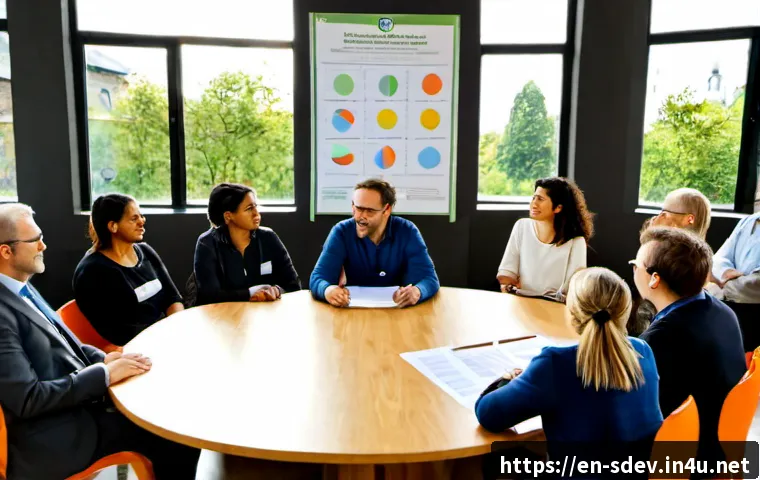
You know, one of the biggest lessons I’ve learned on this journey is that no one achieves anything truly impactful alone. The sustainable development community is incredibly supportive, and building a robust network has been absolutely invaluable for me. It’s not just about finding job opportunities (though that’s certainly a perk!); it’s about sharing knowledge, collaborating on projects, finding mentors, and just having a group of like-minded individuals to bounce ideas off of. I’ve met some of the most inspiring people through networking events, individuals who have challenged my thinking and opened my eyes to new possibilities. It’s a two-way street; the more you give to your network, the more you receive in terms of insights, support, and friendship. Don’t be shy – everyone started somewhere, and most people are genuinely happy to connect and share their experiences.
The Magic of Local Meetups and Online Forums
Where do you even begin? Start locally! Check out environmental groups, sustainable business associations, or even university alumni networks in your city. Local meetups, workshops, and speaker series are fantastic for face-to-face interactions. I’ve found that these casual settings often lead to the most authentic connections. Don’t underestimate online communities either. LinkedIn groups focused on sustainability, specific subreddits, or even dedicated online forums can connect you with professionals worldwide. These platforms are brilliant for asking questions, sharing insights, and staying updated on industry trends. I’ve personally used these forums to get advice on tricky project challenges and even find collaborators for small initiatives. Just remember to engage genuinely, offer value, and be respectful.
Finding Mentors and Collaborators

A good mentor can be a complete game-changer. They’ve walked the path you’re on, faced similar challenges, and can offer invaluable guidance and support. Don’t be afraid to politely reach out to someone whose work you admire, whether it’s after a panel discussion or through a professional networking site. Clearly state why you admire their work and what you hope to learn. And don’t forget the power of peer mentorship! Collaborating with fellow sustainability enthusiasts on projects, big or small, can be incredibly rewarding. I’ve partnered with friends on everything from community garden projects to developing educational materials, and those experiences have not only expanded my skills but also solidified lifelong friendships. Remember, building relationships takes time, but the investment is absolutely worth it.
Igniting Innovation: Sustainable Projects You Can Start Today
One of the most empowering things I’ve discovered is that you don’t need a fancy title or a massive budget to start making a real difference. Your own home, your backyard, or even your local community can be your laboratory for sustainable change. I’m a huge advocate for personal projects because they offer unparalleled hands-on experience, teach you practical problem-solving, and allow you to implement sustainable practices directly. There’s something incredibly satisfying about seeing the immediate, tangible results of your efforts, whether it’s a thriving vegetable patch or a drastically reduced energy bill. These projects demonstrate initiative, creativity, and a genuine commitment to sustainability, which are qualities highly valued in any professional setting. Plus, they’re a fantastic way to experiment with new ideas and learn from direct experience without any external pressure.
Transforming Your Home into a Green Lab
Your living space is probably the easiest and most accessible place to start. Think about simple changes that have a big impact. I started by conducting a home energy audit – literally just walking around with a checklist, looking for drafts and inefficient appliances. From there, I moved on to composting, then setting up a small rainwater harvesting system for my garden. Even things like optimizing your recycling habits, reducing food waste, or swapping out harsh cleaning products for eco-friendly alternatives count. These seemingly small actions build a foundation of practical knowledge. You learn about resource efficiency, waste management, and the interconnectedness of various systems. Document your process, track your progress, and share your successes (and failures!) with friends and family. Your personal projects can inspire others to take action too.
Community Projects: Small Steps, Big Impact
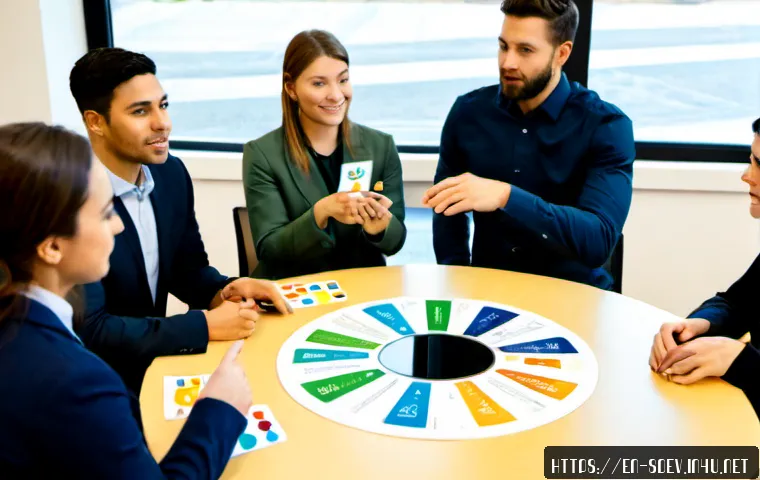
Once you’ve experimented at home, why not expand your impact to your community? Community gardens, neighborhood composting initiatives, or even organizing a local repair café can create significant collective change. I once helped organize a local plastic-free challenge, and it was amazing to see how many people were eager to participate once they had a clear goal and some practical tips. These projects require collaboration, communication, and a knack for mobilizing people – all incredibly valuable skills in the sustainability world. They allow you to understand community dynamics, stakeholder engagement, and how to implement solutions on a slightly larger scale. Start small, gather a few passionate individuals, and don’t be afraid to seek support from local businesses or community leaders. Every successful community project starts with a single idea and the courage to act on it.
Continuous Learning: Keeping Up with a Changing World
The field of sustainable development is anything but static. New research, innovative technologies, and evolving policies are constantly reshaping the landscape. To truly be an effective force for change, you simply have to embrace lifelong learning. I’ve personally found that the moment you think you know it all, you’re already behind. It’s not just about formal education; it’s about having a curious mind and actively seeking out new information. I make it a point to dedicate time each week to learning something new related to sustainability, whether it’s diving into a scientific journal article, listening to an expert podcast, or attending a virtual workshop. This continuous engagement ensures that my knowledge remains fresh, relevant, and applicable to the challenges we face today. It also helps me connect the dots between seemingly disparate issues, giving me a more holistic understanding of sustainability.
Online Courses and Workshops: Your Learning Playground
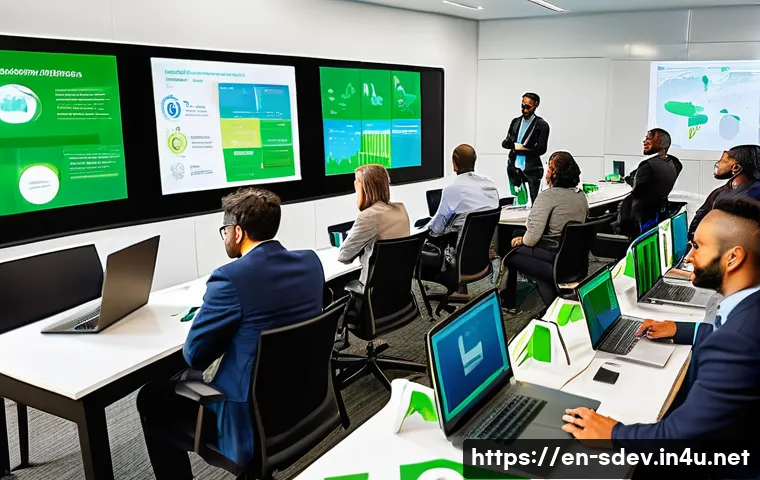
The internet has truly revolutionized access to education, making it easier than ever to dive deep into specific sustainability topics. Platforms like Coursera, edX, and even specialized environmental education providers offer an incredible array of courses, often taught by leading experts. You can learn about renewable energy systems, circular economy principles, sustainable agriculture, environmental law, or corporate social responsibility – all from the comfort of your home. I’ve taken several of these, and I’ve been amazed by the quality of instruction and the practical skills you can acquire. Many even offer professional certificates that can be a great addition to your resume. Beyond formal courses, look for free webinars, virtual summits, and online workshops hosted by NGOs, universities, or industry associations. These are fantastic for staying updated on the latest trends and engaging with a broader community of learners.
Books, Podcasts, and Documentaries: Fueling Your Mind
Sometimes, the best learning happens in less formal settings. I’m a huge fan of diving into a good book or listening to an insightful podcast during my commute. There are countless authors, journalists, and thought leaders who are pushing the boundaries of sustainable thinking. From deep dives into climate science to inspiring stories of environmental activism, these resources offer diverse perspectives and can spark new ideas. Documentaries are another powerful medium; seeing the visual impact of environmental issues or the ingenuity of sustainable solutions can be incredibly motivating and educational. Create a list of must-reads and must-listens, and make them a regular part of your routine. This kind of passive (yet highly effective) learning keeps your mind engaged, expands your knowledge base, and helps you articulate your own views on complex sustainability issues with greater confidence and depth.
| Pathway Type | Key Benefits | Getting Started Tips | Potential Impact |
|---|---|---|---|
| Volunteering | Gain hands-on experience, explore interests, build community connections, low barrier to entry. | Identify local environmental groups, check online volunteer platforms (e.g., VolunteerMatch, Idealist), attend community cleanups. | Develop practical skills, contribute directly to local initiatives, expand your network. |
| Internships | Professional experience, mentorship, industry insights, potential job offers, resume builder. | Utilize university career centers, LinkedIn, specialized job boards (e.g., GreenBiz), network with professionals. | Understand industry operations, build a professional portfolio, gain a competitive edge in job market. |
| Skill-Building & Certifications | Specialized expertise, increased employability, staying current with industry trends. | Research in-demand skills (e.g., data analysis, project management), explore online courses (e.g., Coursera, edX), investigate industry-recognized certifications (e.g., LEED). | Enhance professional credibility, acquire tools for practical problem-solving, open new career pathways. |
| Personal Projects | Direct application of knowledge, problem-solving skills, demonstration of initiative, immediate impact. | Start with home audits, composting, rainwater harvesting, or organize a small community initiative. | Realize tangible results, inspire others, build a portfolio of impactful actions, foster innovation. |
| Networking & Community Engagement | Knowledge sharing, mentorship opportunities, collaboration, staying informed about industry developments. | Attend local meetups, join online forums/groups, connect with professionals on LinkedIn, participate in industry events. | Expand professional and personal connections, find collaborators, gain diverse perspectives, access new opportunities. |
Wrapping Things Up
Whew, what a journey we’ve explored together! It’s truly amazing to see how many different avenues there are to dive into the world of sustainability. From getting your hands dirty volunteering to sharpening your skills with impactful internships and certifications, and even sparking change right in your own backyard, every single step counts. I’ve personally found that the most fulfilling path is one of continuous learning and genuine connection. Remember, you don’t have to tackle everything at once; simply taking that first step, no matter how small, can set off a ripple effect that extends far beyond what you can imagine. Keep that passion burning, stay curious, and never underestimate the power of your individual actions – they truly add up to something extraordinary!
Practical Pointers for Your Journey
Alright, friends, let’s distill all that goodness into some actionable takeaways you can start using today. From my own experience, these little nuggets of wisdom can make a huge difference in how you approach building a sustainable life and career. No need to feel overwhelmed, just pick one or two that resonate and give them a go!
-
Start Small, Dream Big: Don’t feel pressured to change the world overnight. Begin with something manageable, like composting your kitchen scraps or joining a local park cleanup. These small wins build confidence and momentum, eventually leading you to bigger, more impactful projects. I always say, tiny acorns grow into mighty oaks!
-
Network Like a Pro (But Make it Human!): Connections are gold in the sustainability space. Attend local meetups, engage authentically in online forums, and don’t be shy about reaching out to people whose work inspires you. Remember, it’s about building genuine relationships, not just collecting business cards. Many of my best opportunities came from a friendly chat over coffee.
-
Embrace Lifelong Learning: This field is constantly evolving, and that’s the exciting part! Make it a habit to read industry news, listen to podcasts, or take an online course on a new topic. Staying curious and updated ensures you remain relevant and can adapt to new challenges and solutions. My favorite way to stay sharp is by reading one new sustainability book every month.
-
Show, Don’t Just Tell: Whether it’s for a job application or inspiring your community, tangible experience speaks volumes. Personal projects, volunteer roles, and internships give you stories to tell and concrete examples of your skills and passion. I’ve found that demonstrating initiative through a project often opens more doors than a perfect resume alone.
-
Be Patient and Persistent: Change, especially systemic change, takes time. There will be setbacks and moments of frustration, but don’t give up. Celebrate the small victories, learn from the challenges, and keep pushing forward. Your dedication is what truly makes a difference in the long run. I’ve definitely had my moments where I felt like quitting, but seeing the slow, steady progress is incredibly rewarding.
Key Takeaways to Remember
Okay, let’s distill this entire conversation into the absolute essentials. If there are three things I want you to walk away with today, it’s these. First off, action trumps inaction, every single time. Don’t get stuck in analysis paralysis. Whether it’s volunteering for an hour a week, starting a simple home energy audit, or signing up for that introductory online course, just *do something*. My own journey truly began when I stopped just reading about sustainability and actually started participating. You’ll learn more from a single hands-on experience than a dozen articles, trust me on that one. The practical skills you gain and the connections you make by simply showing up are invaluable, and they open doors you never even knew existed.
Secondly, remember that your unique path is your superpower. The sustainability sector is incredibly diverse, calling for all sorts of skills and passions. Don’t feel like you have to fit into a specific mold. If you’re an artist, find ways to communicate climate issues through your craft. If you’re a data whiz, apply your analytical skills to impact assessment. My biggest breakthrough came when I realized I could combine my love for writing with environmental advocacy, rather than trying to become a scientist. Leverage your existing strengths and interests, and you’ll find a fulfilling niche where you can make a truly authentic contribution.
Finally, and perhaps most importantly, cultivate your network with genuine intent. The sustainability community thrives on collaboration and mutual support. These aren’t just professional contacts; they’re often kindred spirits who share your vision for a better world. Seek out mentors, offer your help to others, and engage in conversations with an open mind. These relationships will not only provide opportunities but also offer immense personal growth, encouragement during tough times, and the joy of working alongside passionate individuals. I’ve found that my network has been my greatest asset, a constant source of inspiration and new ideas. So, go forth, engage, and let’s build that sustainable future together!
Frequently Asked Questions (FAQ) 📖
Q: I’m super passionate about sustainability but feel like I don’t have enough “official” experience to make a real difference. Where should I even begin to get hands-on experience?
A: Oh, I totally get this feeling! It’s like standing at the foot of a mountain, eager to climb, but not sure which trail to take. So many of us start exactly where you are – with a burning passion but a blank resume when it comes to “sustainability.” The good news?
You don’t need a fancy degree or a decade of experience to start making a real impact. From what I’ve seen, and trust me, I’ve seen a lot of inspiring journeys, the absolute best place to begin is with volunteering and personal projects.
Think about it: local environmental groups, community gardens, or even campus sustainability initiatives are always looking for eager hands. These are fantastic low-barrier entry points where you can quickly roll up your sleeves and learn on the job.
I once volunteered for a local recycling drive, and not only did I learn the nitty-gritty of waste management, but I also met so many incredible people who became mentors later on.
Another powerful path is to leverage your existing skills. Are you great with social media? Offer to manage an eco-friendly non-profit’s online presence.
Good at organizing events? Help plan a local clean-up. You’d be surprised how many seemingly unrelated skills translate directly into valuable contributions for sustainable causes.
Don’t forget the power of online learning too! There are tons of free or affordable courses that can give you foundational knowledge and help you speak the language of sustainability, which makes connecting with professionals so much easier.
The key is just to start. Take that first small step, and you’ll find it leads to another, and then another.
Q: There are so many aspects of sustainable development! How can I figure out which type of hands-on experience will be truly impactful and help me grow in the field?
A: That’s such a smart question, because “sustainability” is a huge umbrella term, right? It covers everything from renewable energy to ethical fashion to urban planning.
The trick, from my experience, is to dive in with an open mind and see what genuinely sparks your interest. Instead of waiting for the “perfect” opportunity, consider what kind of “doing” you enjoy.
Are you a data whiz? Look for projects that involve impact measurement or carbon accounting. Love being outdoors?
Conservation or land management roles might be your calling. My friend, who used to feel overwhelmed by all the options, started by helping a local farm with their sustainable agriculture practices.
She realized she loved the tangible results and the connection to food systems. For someone else, it might be working on policy research for an environmental think tank, or even participating in a “sustainability hackathon” to brainstorm innovative solutions for real-world problems.
What truly makes an experience impactful, in my opinion, isn’t just the prestige of the organization, but how much you learn and how much you can contribute.
Seek out internships or volunteer roles where you’ll be actively involved in projects, not just fetching coffee. Look for opportunities that allow you to apply critical thinking, problem-solving, and collaboration – these are universally valuable skills in sustainable development.
Don’t be afraid to try a few different things to see what resonates. You’ll gain clarity with every experience, trust me.
Q: Once I’ve started gaining some experience, how can I find more significant opportunities that align with my long-term goals and genuinely contribute to the global movement?
A: Ah, this is where the journey really starts to get exciting! Once you’ve got some initial experience under your belt, even if it’s just from those initial volunteer gigs or personal projects, you’ve built a foundation.
Now it’s time to elevate your search. My biggest piece of advice here is: network, network, network! Seriously, I can’t stress this enough.
Go to industry conferences, join online professional groups, connect with people on LinkedIn who are doing what you want to do. A friendly coffee chat can open doors you never even knew existed.
When you’re looking for those “more significant” opportunities, aim for organizations that are deeply embedded in the global movement. Think beyond just local initiatives to larger non-profits, international NGOs, or companies with robust corporate social responsibility (CSR) programs.
Many of these organizations actively work towards the United Nations Sustainable Development Goals (SDGs), which are a fantastic framework for understanding global impact.
Look for internships or entry-level positions where you can contribute to specific SDG targets, whether it’s clean energy, responsible consumption, or sustainable cities.
When I was looking for my first full-time role, I specifically targeted companies that openly published their sustainability reports and had clear, measurable goals.
This showed me they were truly committed. Don’t be shy about reaching out to people for informational interviews – ask them about their journey, what challenges they face, and what they look for in new team members.
It’s not just about getting a job; it’s about finding your tribe and truly making your mark on this incredible global transformation.